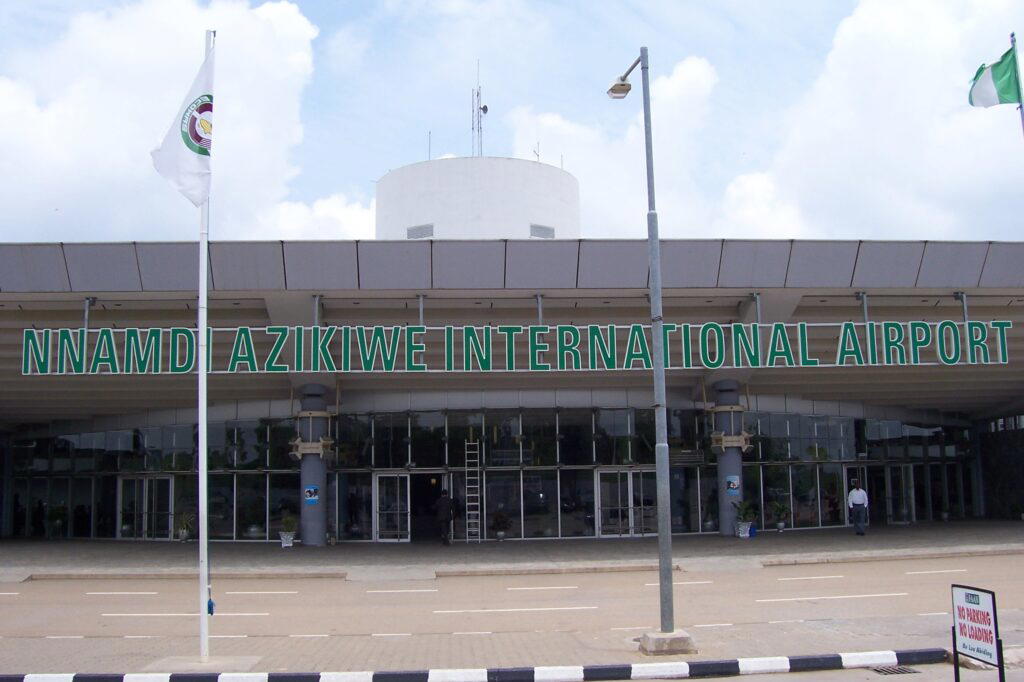
Travellers at Nnamdi Azikiwe International Airport in Abuja are voicing their frustrations over hefty customs tariff charges on goods valued above $300, a policy they believe is overly burdensome. Many returning Nigerians and foreign visitors are deterred by the financial implications of these tariffs, which some argue undermine the country’s efforts to attract diaspora investments.
Henry Ojelu, a customs official, defended the practice, stating, "These tariffs are in place to protect local businesses and ensure fair trade practices." However, this rationale has not quelled the dissatisfaction among travellers, who report experiences of harassment and inconsistent enforcement of customs regulations. The situation exacerbates feelings of distrust towards authorities and raises questions about the broader implications for Nigeria's economy and tourism sector.
As the government grapples with these criticisms, it faces a crucial decision: either reform the customs process to facilitate smoother travel and trade or risk further alienating potential investors and citizens. The outcome of this situation will likely influence the country's approach to governance and economic policy in the coming years.