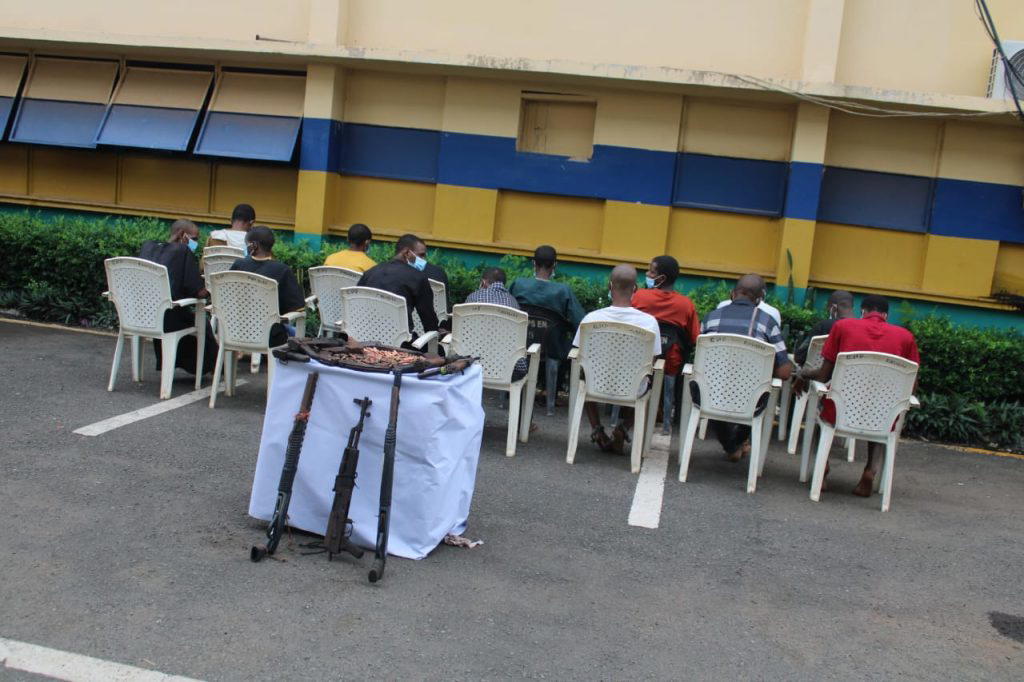
The recent surrender of top ISWAP leaders and 76 foot soldiers in Nigeria's North-East marks a significant turning point in the ongoing battle against the insurgency. This development follows intensified military operations in the region, which have put immense pressure on terrorist groups. The surrender, which includes family members, suggests growing disillusionment within ISWAP ranks.
Nigerian military officials have hailed this as a crucial victory in their fight against extremism. Colonel John Owoeye, spokesperson for the military task force, remarked, "The continuous pressure on ISWAP has forced these fighters to reconsider their allegiance, demonstrating the effectiveness of our strategy." This surrender not only depletes ISWAP’s manpower but also offers an opportunity for rehabilitation and reintegration of former combatants into society.
As the Nigerian government seeks to stabilize the region, the focus will likely shift towards addressing the underlying issues that fuel insurgency, such as poverty and lack of education. The recent developments indicate a potential shift in the dynamics of the conflict, but sustainable peace will require ongoing commitment and strategic planning from all stakeholders involved.