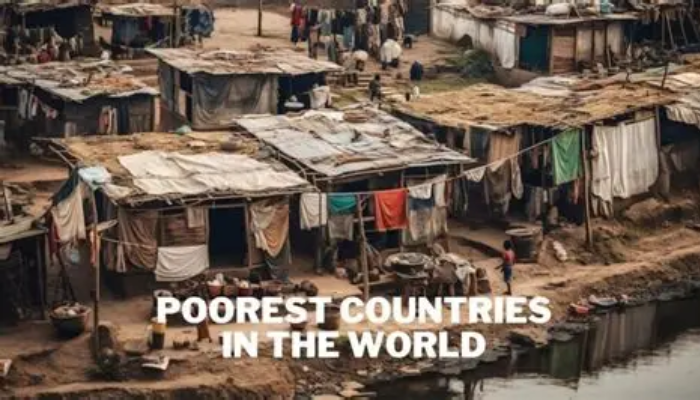
Despite significant economic advancements in various regions, poverty remains a critical global issue, with the 2026 list of the poorest countries underscoring this persistent challenge. Notably, nations like Burundi, South Sudan, and Malawi continue to grapple with dire economic conditions, driven by factors such as political instability, lack of infrastructure, and climate change impacts. These elements exacerbate the vulnerability of millions, hindering development efforts.
According to Dr. Amina Hassan, an economist at the African Development Bank, “The ongoing struggles in these countries highlight the urgent need for targeted international support and sustainable development strategies.” Her statement reflects a growing consensus that without comprehensive intervention, poverty will remain entrenched in these regions.
Looking ahead, the international community must prioritize collaborative efforts to address the root causes of poverty. Sustainable initiatives that focus on education, healthcare, and economic diversification will be vital to breaking the cycle of poverty. As nations strive for resilience, the path forward hinges on a commitment to equitable development that empowers the most vulnerable populations.


