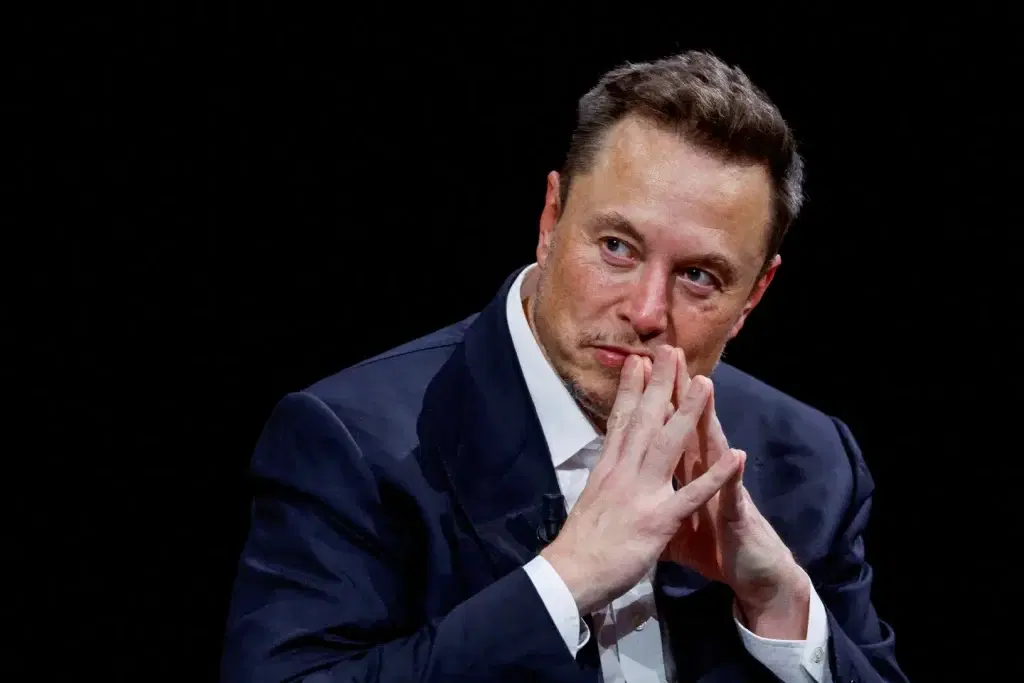
Elon Musk's recent legal defeat against OpenAI marks a significant turning point in the tech landscape, particularly for artificial intelligence governance. Musk sought to revert OpenAI to its nonprofit status, arguing that the shift to a for-profit model compromised its ethical obligations. However, a court ruled against him, paving the way for OpenAI's anticipated IPO, which could reshape funding dynamics in the AI sector.
As AI continues to permeate various industries, the implications of this ruling are profound. Analysts suggest that Musk's desire for stricter oversight reflects broader concerns about the unchecked power of AI corporations. "This decision highlights the complexities of balancing innovation with social responsibility," stated Dr. Sarah Thompson, a leading AI ethics researcher.
Looking ahead, OpenAI's IPO will likely attract significant investment, but it also raises questions about the future of ethical standards in AI development. Stakeholders will be watching closely as the company navigates its growth while addressing public concerns regarding the ramifications of its technologies. Musk's loss may be the catalyst for a more aggressive push towards regulatory frameworks in the AI space.
