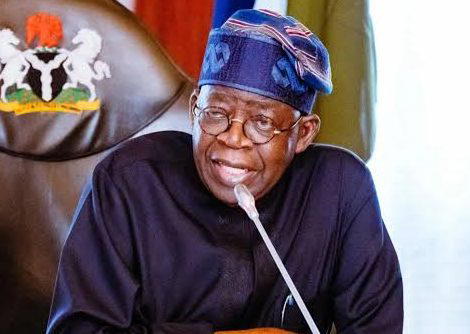
As Nigeria marks 27 years of uninterrupted democratic governance, a new economic doctrine dubbed "Tinubunomics" is gaining traction. This theory emerges in the context of a nation grappling with economic challenges, while seeking to redefine its identity through key historical dates like Independence Day and June 12, which commemorates the struggle for democracy.
President Bola Ahmed Tinubu's administration is focusing on economic reforms aimed at stabilizing the Nigerian naira and attracting foreign investments. "We are committed to creating an enabling environment for businesses to thrive," Tinubu stated, emphasizing the need for structural changes that address long-standing economic disparities. The administration's approach is seen as a potential turning point for a country that has faced significant economic turbulence in recent years.
Looking ahead, the success of Tinubunomics will largely depend on the government's ability to implement these reforms effectively and foster public trust. As Nigeria stands at this critical juncture, the coming months will be pivotal in determining whether this economic framework can lead to sustainable growth and social cohesion, ultimately reshaping the nation's future.