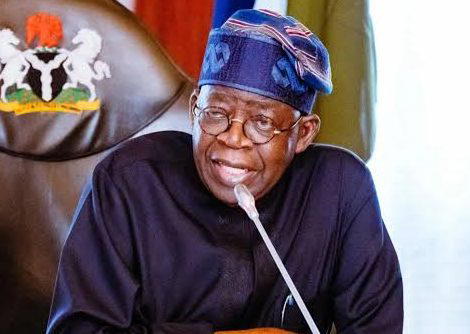
Nigeria's political landscape is poised for significant transformation as President Bola Tinubu has submitted the State Police Amendment Bill to the Senate. This legislation aims to establish a dual policing framework, permitting states to create their own police forces in conjunction with the existing federal police. This move comes amid rising concerns over security challenges, prompting calls for more localized and responsive law enforcement.
The bill reflects a growing consensus among state governors and security experts who argue that a decentralized police structure could enhance public safety. "Empowering states to manage their own police services will not only improve response times but also foster accountability," stated Governor Babajide Sanwo-Olu of Lagos State. The proposed amendment aligns with ongoing discussions about federalism in Nigeria, as states seek greater autonomy in addressing crime and social unrest.
As the Senate deliberates on the bill, its approval could mark a pivotal shift in Nigeria’s approach to policing, potentially leading to more tailored security solutions. However, it also raises concerns about the standardization of policing practices and the potential for abuse of power at the state level. The outcome will shape the future of law enforcement in Nigeria and influence the broader federal-state relationship.