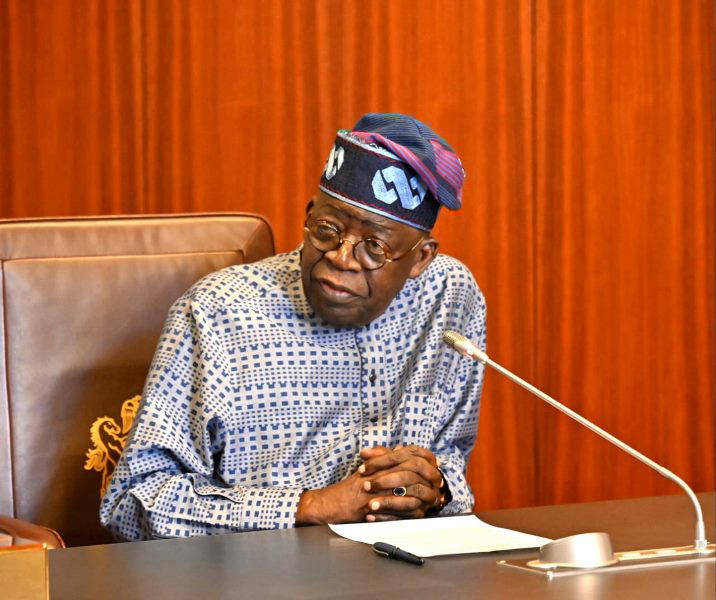
As President Bola Tinubu celebrates three years in office, Nigeria grapples with significant political shifts that raise questions about the future of its democracy. His administration has introduced ambitious reforms aimed at economic recovery and national security, yet these initiatives have been met with increasing scrutiny and criticism, particularly regarding civil liberties and the freedom of the press.
Key developments include a controversial media regulation bill that critics argue could stifle dissent and limit public discourse. Furthermore, Tinubu's approach to governance has sparked internal divisions within his party, the All Progressives Congress, as factions vie for influence amid a backdrop of heightened political tension. "We must ensure that democracy thrives, not just survive," warns Aisha Yesufu, a prominent activist, highlighting the urgent need for genuine democratic practices.
Looking ahead, Tinubu's ability to balance reform with democratic integrity will be pivotal. As the political climate evolves, maintaining public trust and fostering an inclusive dialogue will be essential for sustaining Nigeria’s democratic foundations and addressing the pressing challenges facing the nation.