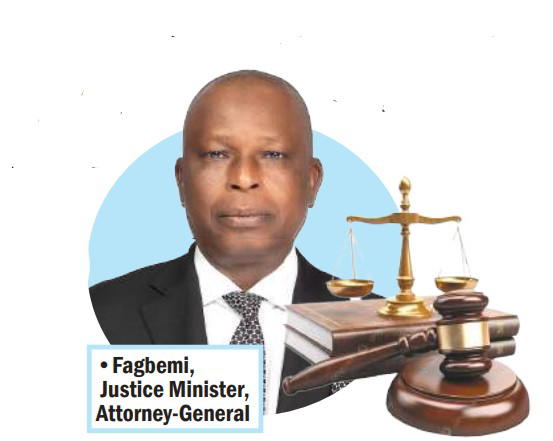
As President Bola Tinubu marks his anniversary, concerns about Nigeria’s judiciary and rule of law intensify among legal professionals and citizens alike. Amidst rising anxiety over inconsistent judgments that often contradict available evidence, many are questioning the integrity and independence of the judicial system. A recent statement from the Nigerian Bar Association highlights these worries, asserting that "the judiciary must rise to the occasion and restore public confidence."
The backdrop of these concerns includes ongoing discussions about judicial reforms and accountability, which are essential for upholding democratic principles. Critics argue that failures in the judiciary not only undermine the rule of law but also stifle economic and social progress in Nigeria. With the government under scrutiny, the expectation is that Tinubu's administration will prioritize judicial integrity as a cornerstone of governance.
Looking ahead, the pressure is mounting for a renewed commitment to legal reforms that enhance transparency and accountability. The judiciary's ability to deliver fair and consistent rulings will be pivotal in shaping Nigeria's political landscape and restoring faith among its citizens. As stakeholders await concrete actions, the call for justice and rule of law remains urgent.