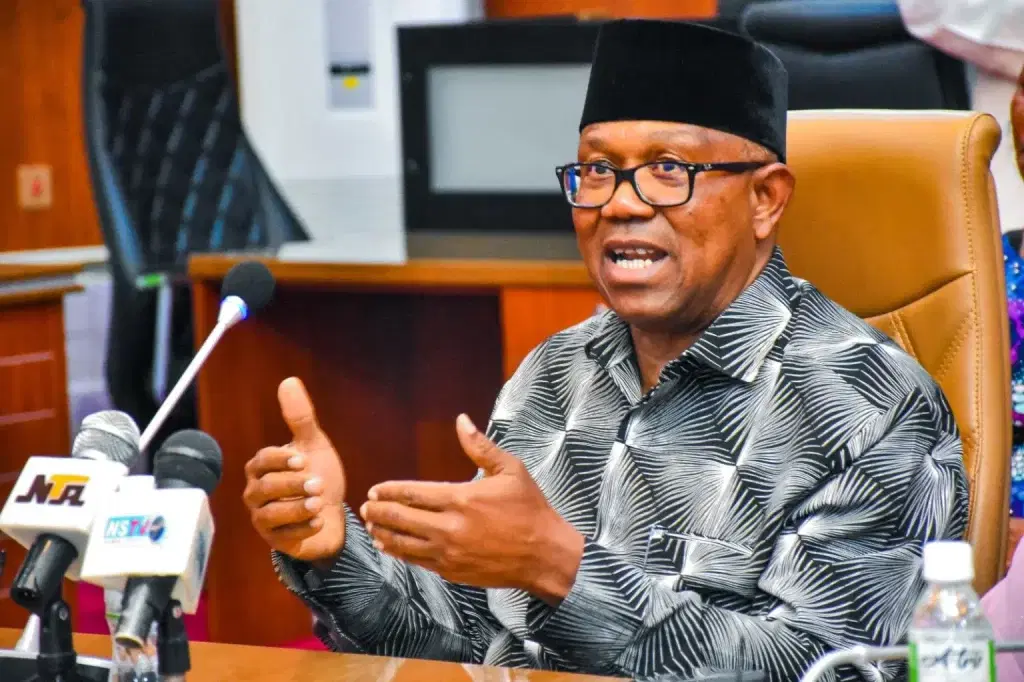
The ongoing debate over Nigeria's escalating debt profile has intensified following allegations from a key aide of President Bola Tinubu, accusing opposition leader Peter Obi of spreading misinformation. In a recent statement, Olusegun emphasized that the rise in Nigeria's debt stock is primarily attributable to exchange rate fluctuations rather than new borrowing, challenging Obi's narrative that paints a dire fiscal picture under the current administration.
This controversy comes amid growing concerns about Nigeria's economic stability, as the country grapples with high inflation and currency devaluation. Obi, a former governor and presidential candidate, has been vocal about the implications of rising debt on future generations, arguing that the government's financial mismanagement poses an existential threat to the economy. "Transparency is critical for public trust," Obi stated, underscoring the need for clarity in fiscal policies.
As the tension escalates between the ruling party and the opposition, the discourse surrounding Nigeria's debt will likely play a pivotal role in shaping public opinion ahead of future elections. The government's ability to address these economic challenges transparently could prove essential for maintaining credibility and public support.