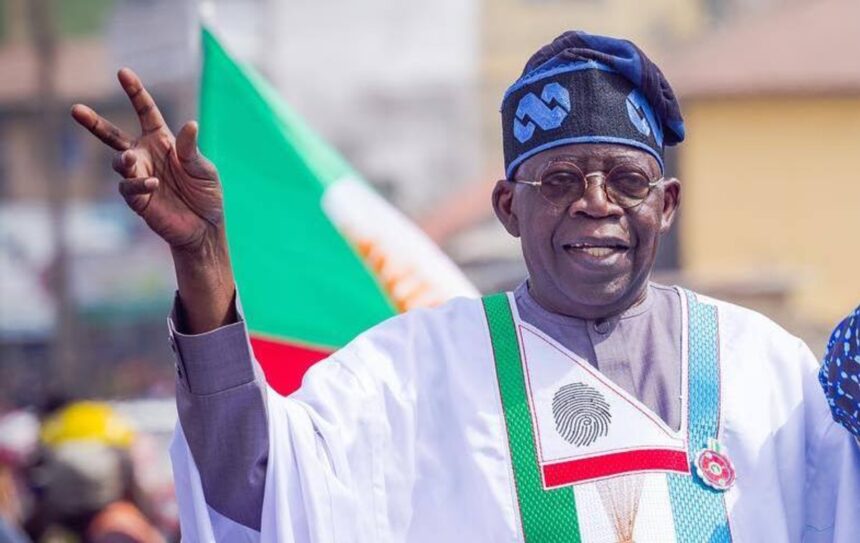
As President Bola Ahmed Tinubu marks three years in office, a growing divergence emerges between increased public revenue and tangible benefits for the masses. In a recent analysis, it was revealed that the military received only 7% of the budget for security equipment, while funding priorities seemingly favored the presidential fleet, raising concerns about governance priorities.
Tinubu's administration has reported significant revenue inflows, yet critics argue that these funds have not translated into meaningful support for the populace. "The allocation of resources indicates a worrying trend where elite interests overshadow the needs of ordinary Nigerians," stated Dr. Amina Abdul, a political analyst at the Center for Democratic Studies. This sentiment echoes a broader dissatisfaction among citizens, who continue to grapple with economic challenges and inadequate public services.
Looking ahead, the Tinubu administration faces a critical crossroads. Balancing public revenue generation with effective allocation to enhance the lives of everyday Nigerians will be essential for restoring trust and fostering sustainable growth. Without a shift in focus, the administration risks deepening public discontent and undermining its long-term legitimacy.