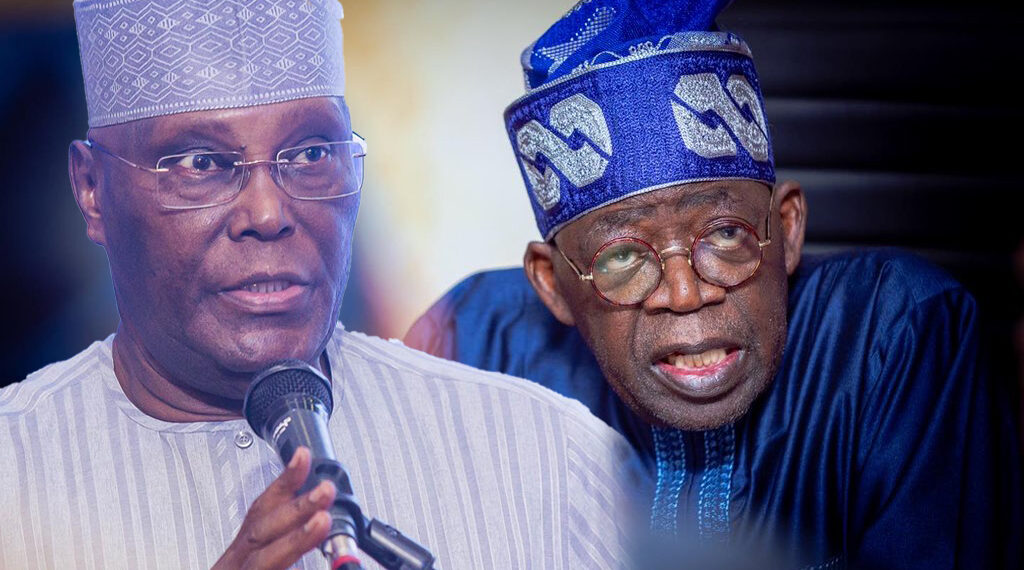
Former Vice President Atiku Abubakar has sharply criticized President Bola Tinubu's ongoing negotiations with the World Bank for an additional $1.25 billion loan, labeling the administration's borrowing practices as "reckless, opaque and dangerously habitual." This statement comes as Nigeria grapples with mounting foreign debt, raising concerns about fiscal responsibility and economic sustainability.
Atiku's remarks highlight a growing apprehension among economists and political analysts regarding the implications of excessive borrowing. Nigeria’s existing debt burden has sparked fears of potential defaults and reduced fiscal space for essential public services. The former Vice President stated, "The continuous reliance on foreign loans is a form of economic vandalism that jeopardizes our future."
As the Tinubu administration pursues this loan, the implications for Nigeria's economic landscape remain uncertain. Critics argue that without transparent and effective management of these funds, the country may find itself trapped in a cycle of dependency on foreign debt. Observers are keenly watching how this situation unfolds, as it could shape Nigeria's economic policies and governance in the months to come.