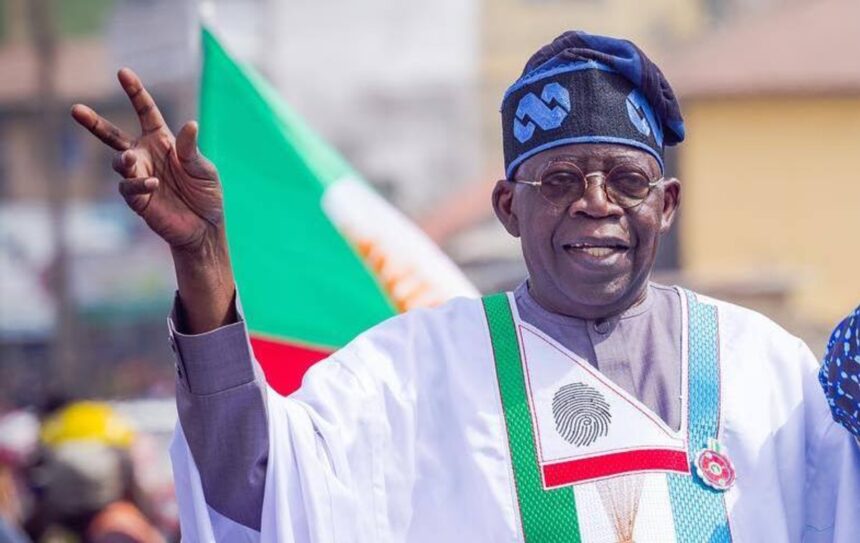
President Bola Tinubu's administration, which began on May 29, 2023, has navigated a complex landscape of economic challenges and political expectations in Nigeria. Emerging from a history of military rule and advocating for democracy since the 1990s, Tinubu has faced mounting pressures from rising inflation, unemployment, and public discontent. His government has implemented reforms aimed at stabilizing the economy, but these have often led to tough choices that sparked protests and criticism.
Key developments include the removal of fuel subsidies and the introduction of new taxation policies, which have strained the average citizen's finances. As Tinubu stated, "We must make sacrifices today for a prosperous tomorrow." This sentiment encapsulates the difficult balancing act his administration must perform: fostering growth while ensuring social stability.
Looking ahead, the success of Tinubu’s policies will depend on his ability to communicate effectively with the public and manage expectations. As Nigeria stands at this crossroads, the government’s focus on economic recovery and inclusive growth will be crucial for restoring public trust and ensuring long-term stability.