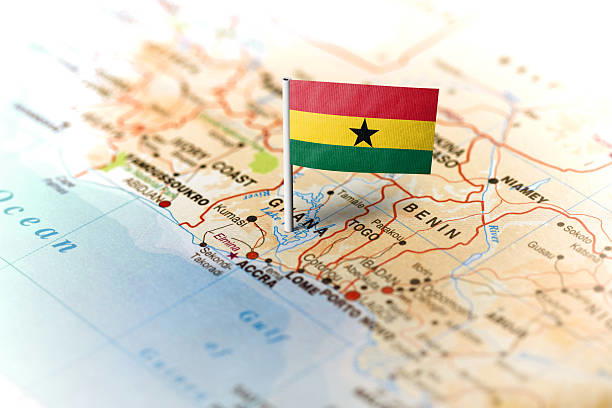
Torrential rains have wreaked havoc in Accra, Ghana's capital, resulting in at least three fatalities and significant disruption to daily life. This severe flooding highlights the urgent issues of climate change and rapid urbanization that have long plagued the city. Authorities reported that heavy downpours turned streets into rivers, trapping residents and paralyzing transportation networks.
President Nana Akufo-Addo attributed the crisis to "the dual challenges of climate change and unplanned urban growth," urging for a reevaluation of the country's infrastructure and urban planning policies. The government has faced increasing pressure to implement effective measures that can mitigate future disasters, especially in light of Ghana's vulnerability to extreme weather events.
As Accra grapples with the immediate aftermath of this disaster, the incident serves as a stark reminder of the pressing need for sustainable urban development. Policymakers must prioritize resilient infrastructure to better prepare for such climatic challenges. Without decisive action, the people of Accra may face even greater dangers as climate change continues to escalate, underscoring the importance of proactive governance in safeguarding lives and livelihoods.
