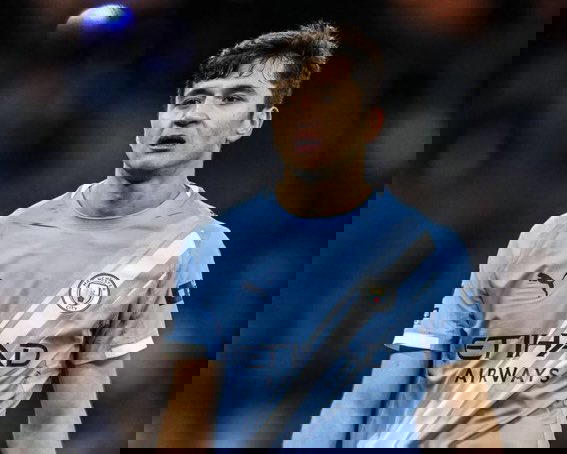
As the world unites for the FIFA World Cup, Nigeria finds itself on the sidelines, reflecting a stark decline in its once-celebrated football prowess. Having failed to qualify, the nation is grappling with the implications of a football culture that has faltered due to issues ranging from poor governance to inadequate grassroots development. This absence from the global stage is especially poignant for a country that previously embraced football as a unifying force.
Femi Akintunde-Johnson, a sports analyst, notes, "This is a wake-up call for Nigeria to reassess its footballing strategy; we can no longer afford to be spectators in a game we once ruled." The disappointment among fans is palpable, as many see the World Cup as a missed opportunity for national pride and economic benefit. The Nigerian Football Federation is now under pressure to revamp its programs and engage the youth to rebuild a competitive spirit.
Looking ahead, the focus must shift to sustainable development in Nigerian football, fostering talent from the ground up. Without decisive action, the nation's football legacy risks being overshadowed by the advancing global game, leaving Nigeria to pray for a revival rather than celebrate its past glories.