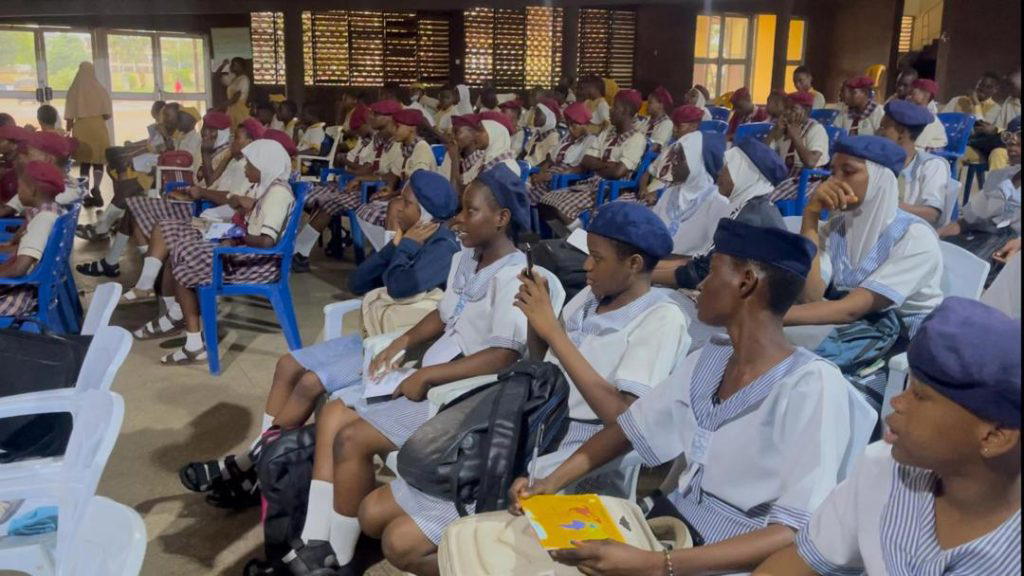
The ongoing debate over textbook content in Nigeria underscores the complexities of educational reform in a nation yearning for progress. With each administration pledging transformative change, the reality often falls short of aspirations, as seen in the recent discussions surrounding outdated and biased materials in schools. This issue has reignited conversations about the efficacy of government policies.
Ayo Olodo, a prominent education advocate, notes, "Good intentions are often mistaken for good implementation," highlighting a critical gap between policy formulation and practical execution. This sentiment resonates widely among stakeholders who argue that without rigorous oversight and community involvement, reforms may merely serve as political rhetoric rather than catalysts for genuine improvement.
As Nigeria grapples with these challenges, the future of education reform hinges on the ability to bridge this implementation gap. Stakeholders must prioritize collaboration between government, educators, and communities to ensure that changes are not only well-intentioned but also effective. The path forward demands a commitment to accountability and transparency, essential elements for fostering an educational system that truly reflects the needs and aspirations of the Nigerian populace.