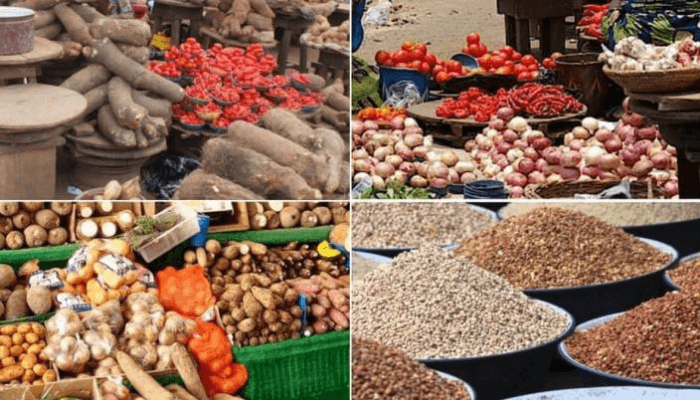
The looming threat of a food crisis in Nigeria underscores the complexities of achieving sustainable food security. Following a surge in food prices last January, which saw inflation soar to nearly 35 percent, the cost of staple items like rice has continued to rise, with a 50-kilogram bag priced between N80,000 to N100,000. This situation reflects broader economic challenges, including supply chain disruptions and rising production costs.
Dele Sobowale highlights the paradox, stating, “While we strive for sustainability, immediate economic pressures often compromise our food systems.” Stakeholders are increasingly concerned that without addressing these inflationary pressures, efforts to enhance agricultural productivity may falter, leading to a cycle of dependency and inadequacy in food supply.
Looking ahead, it is crucial for policymakers to balance short-term interventions with long-term strategies that promote resilience in the agricultural sector. Investing in local food production, improving supply chains, and implementing effective price control measures will be vital in averting a deeper crisis and ensuring food security for Nigeria's growing population. The need for a multifaceted approach has never been more urgent.