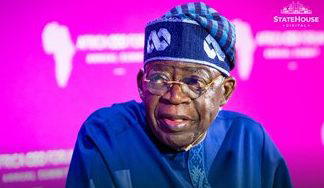
Bauchi's political landscape is undergoing a significant transformation, marked by the absence of influential voices that once guided its governance. Historically dominated by strong personalities, the region now faces a pivotal moment as emerging leaders seek to reshape its future. The recent political reordering follows years of economic challenges and social unrest, prompting citizens to demand more accountability and effective leadership.
Key figures, including Governor Bala Mohammed, have acknowledged the need for change. "Our people crave a new direction that prioritizes development and inclusivity," he stated, emphasizing the necessity for a disciplined approach to governance. This shift reflects a growing consensus that mere agitation is insufficient; true renewal requires a commitment to structured reforms and civic engagement.
As Bauchi navigates this critical juncture, the silence of traditional leaders may indicate a willingness to pass the baton to a new generation. With heightened public expectations and a call for transparency, the future of Bauchi politics will hinge on the ability of these emerging leaders to foster unity and implement sustainable policies. The next few years will be crucial in determining whether this political evolution will translate into meaningful change for the populace.