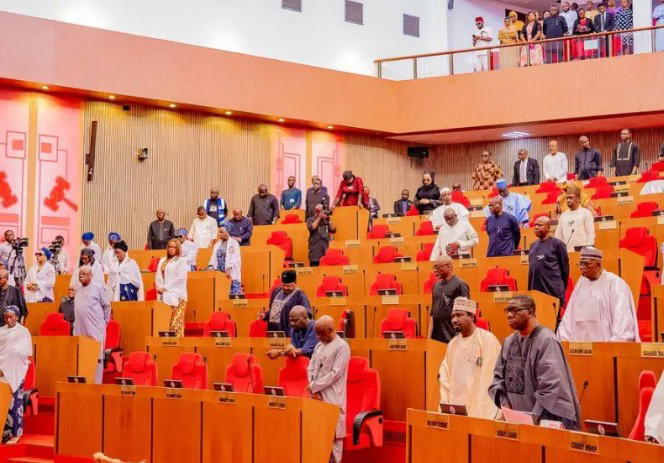
The 10th Senate of Nigeria, under President Godswill Akpabio, has become a paradox of legislative efficiency and democratic decline. In just two years, it has introduced an astonishing 844 bills, a statistic hailed as a triumph by proponents, yet it raises concerns about the depth and quality of governance. Critics argue that the rush to pass legislation often sidelines critical scrutiny, leading to laws that may not serve the public interest.
Senator Biodun Olujimi articulated this concern, stating, "Legislation is not just about numbers; it’s about the impact on our people and their trust in the system." This sentiment reflects a growing unease among citizens regarding the Senate’s role as a check on executive power, especially as many bills seem to cater to political expediency rather than genuine reform.
Looking ahead, the challenge for the Senate will be balancing the urgency of legislative action with the necessity of thoughtful governance. As the nation navigates pressing issues, the true test will be whether lawmakers can move beyond mere numbers to foster a more accountable and responsive democratic process.