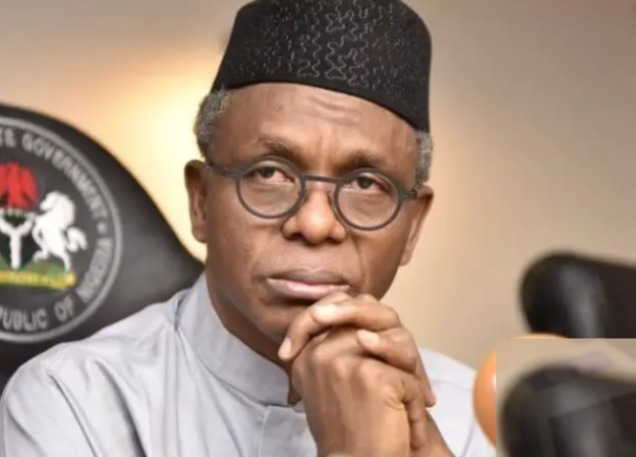
As Nigeria grapples with escalating political tensions, a concerning pattern emerges: judicial decisions are increasingly perceived as instruments of chaos rather than justice. Recent rulings have ignited widespread protests, reflecting deep-seated frustrations with a legal system seen as compromised and politicized. The implications are profound, potentially undermining the rule of law and institutional stability.
Legal experts warn that these developments could spiral into anarchy. "If the judiciary continues to be viewed as a tool for political manipulation, we risk losing public trust in our democratic institutions," cautioned Dr. Ngozi Okafor, a prominent constitutional lawyer. This sentiment resonates with many citizens who feel that their voices are drowned out by the machinations of power brokers.
Looking ahead, Nigeria stands at a crossroads. The judiciary must reclaim its role as a guardian of democracy to restore faith among the populace. Without significant reforms and a commitment to impartiality, the nation could face a deeper descent into instability, challenging the very foundations of governance and civil order. The path forward hinges on the judiciary's ability to navigate these turbulent waters effectively.