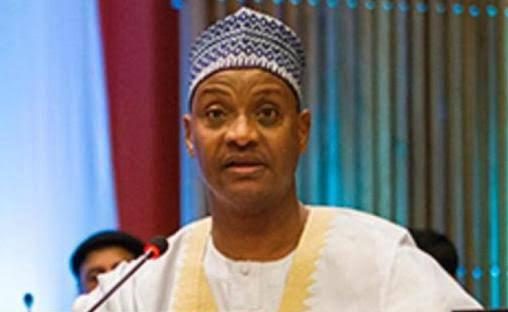
The recent Iran–US peace arrangement marks a significant shift in Middle Eastern geopolitics, reflecting a complex tapestry of historical grievances and strategic interests. Following years of escalating tensions, particularly regarding nuclear ambitions and regional influence, both nations have engaged in unprecedented dialogues aimed at de-escalation and cooperation. The deal, brokered with help from international partners, seeks to normalize relations and establish economic ties, signaling a potential thaw in hostilities.
Iranian Foreign Minister Hossein Amir-Abdollahian stated, "This agreement is not only a step toward peace but a testament to our commitment to dialogue over conflict." This sentiment underscores the broader aspirations for stability in a region often characterized by volatility. The implications extend beyond bilateral relations; they could reshape alliances and influence the dynamics of power across the Middle East.
Looking ahead, the success of this arrangement hinges on mutual trust and sustained engagement. The international community will closely monitor the implementation of terms, as it may either foster a new era of cooperation or reignite longstanding rivalries. The stakes are high, and the path forward will require careful navigation of both domestic and regional pressures.