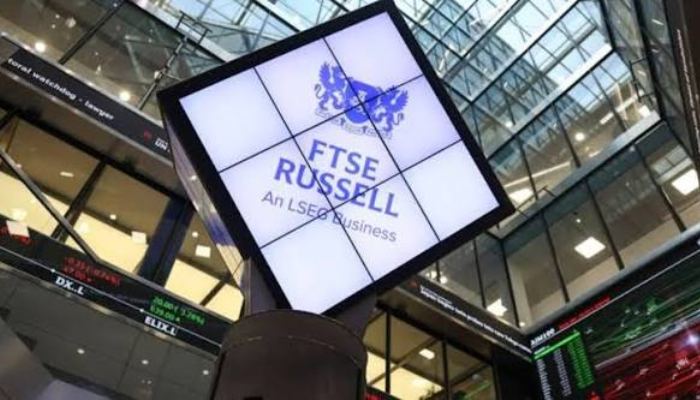
FTSE Russell's decision to reclassify Nigeria as a "Frontier Market" raises questions about the logic behind such a move. The announcement, set to take effect on September 21, 2026, comes amid Nigeria's economic challenges, including fluctuating currency values and inflation rates that continue to strain investors' confidence. This decision could be viewed as a gamble, as it overlooks the structural issues that hinder sustainable growth.
Industry experts have expressed concerns about the implications of this reclassification. According to Dr. Nneka Okafor, Chief Economist at the Nigerian Economic Forum, "While the upgrade is a positive signal, it does not address the underlying economic volatility that investors must contend with." This perspective highlights the risks that may accompany FTSE Russell's optimism.
Looking ahead, Nigeria's transition to a Frontier Market may attract new investment, but it will be crucial for policymakers to implement reforms that stabilize the economy. Without addressing the root causes of economic instability, the reclassification may ultimately lead to disillusionment rather than sustained growth in investment flows. The world will be watching how Nigeria navigates this pivotal moment in its economic journey.
