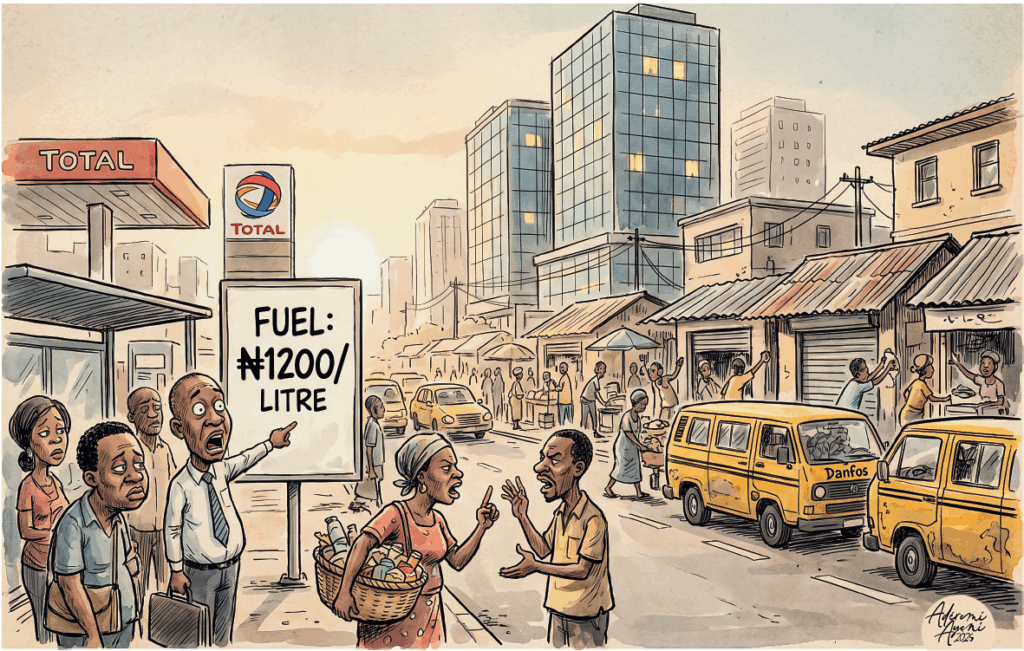
Nigeria's economy is undergoing a significant transformation as the days of affordable living seem to be fading. Over the past three years, persistent inflation, currency devaluation, and rising costs of goods and services have reshaped the financial landscape for many Nigerians. The removal of fuel subsidies and adjustments in monetary policy have only exacerbated these challenges, pushing essentials out of reach for a large portion of the population.
As businesses struggle to cope with increasing operational costs, many citizens are left grappling with reduced purchasing power. "We are witnessing a crisis that demands urgent attention from both the government and private sectors," said Amina Bello, an economic analyst at the Nigerian Economic Summit Group. The fundamental changes in the economy are forcing families to rethink their budgets and spending habits, highlighting the urgency for effective policy interventions.
Looking ahead, Nigeria faces a critical juncture. To stabilize and revitalize its economy, the government must prioritize sustainable growth strategies that address inflation while fostering a competitive market environment. Without decisive action, the end of cheap Nigeria may lead to deeper social and economic divides.