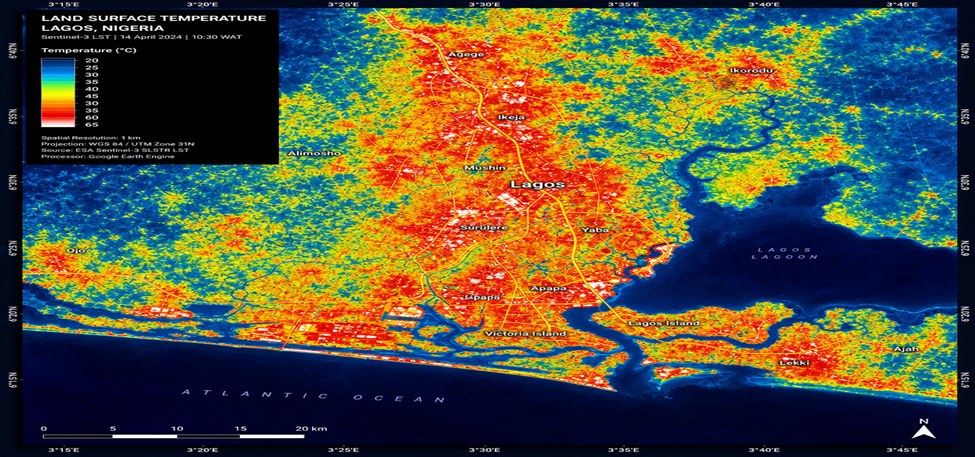
As the dry season envelops Lagos, the oppressive heat serves as a stark reminder of the urgent need for urban reform. The city, grappling with rapid population growth and inadequate infrastructure, faces extreme temperatures that exacerbate living conditions. With projections indicating that Lagos could become one of the most climate-impacted cities globally, the stakes have never been higher.
Key developments in environmental planning are underway, but critics argue that progress remains agonizingly slow. "We cannot afford to wait any longer; the health and safety of our citizens depend on immediate action," said Dr. Adaobi Okoro, a climate policy expert. Local government initiatives, including the promotion of green spaces and sustainable transport, are essential but face significant bureaucratic hurdles.
As Lagos continues to expand, the city must prioritize innovative cooling strategies and infrastructure improvements to mitigate the heat. Ensuring a livable environment is not just an ecological issue, but a fundamental aspect of public health and economic stability. Without decisive action, the city risks becoming increasingly uninhabitable, which could stifle its growth and development in the coming years.

