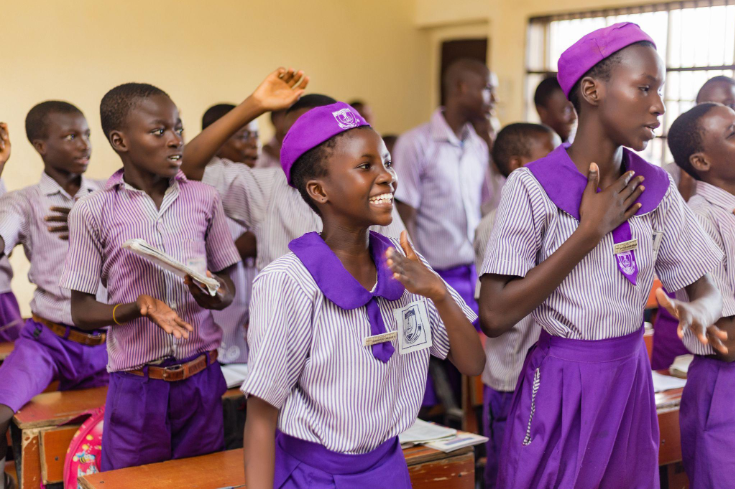
The ongoing global education crisis continues to neglect the most vulnerable children, particularly in low-income regions. Despite numerous initiatives aimed at increasing access to education, millions remain unaccounted for, perpetuating cycles of poverty and inequality. Recent reports reveal that children in rural areas and marginalized communities are disproportionately affected, often due to systemic barriers and lack of resources.
Stakeholders emphasize the need for a shift in focus towards community-driven solutions. “We must engage local leaders and families to create educational pathways that truly reflect their needs,” stated Dr. Amina Salim, Director of the Global Education Network. This approach not only empowers communities but also ensures that education is relevant and accessible to those it seeks to serve.
As the global education conversation evolves, it is crucial to prioritize the voices of those often left out of the dialogue. By embracing localized strategies and fostering collaboration, there is potential to transform education systems and provide equitable opportunities for all children. The challenge ahead is to ensure no child remains invisible in the quest for educational equity.
