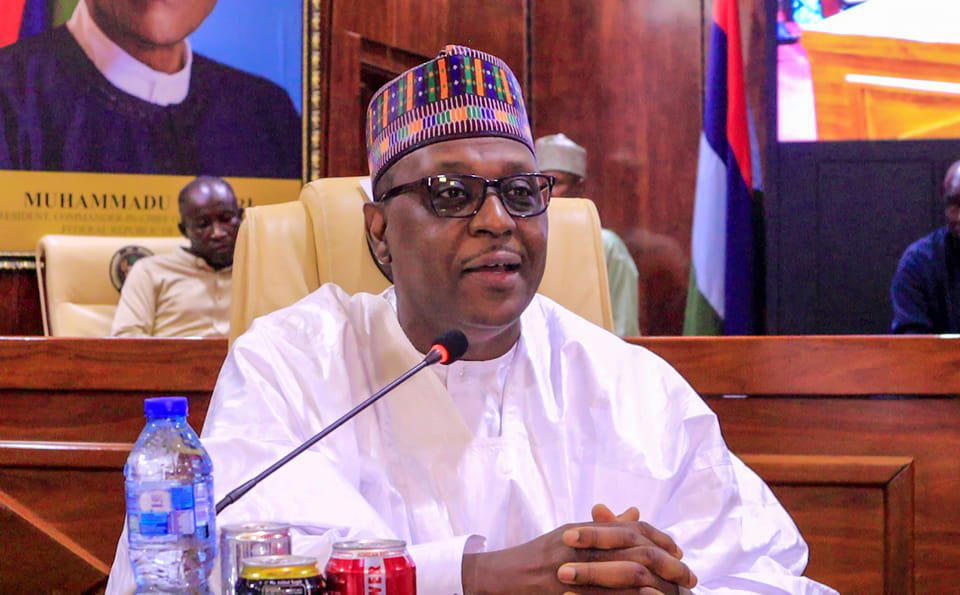
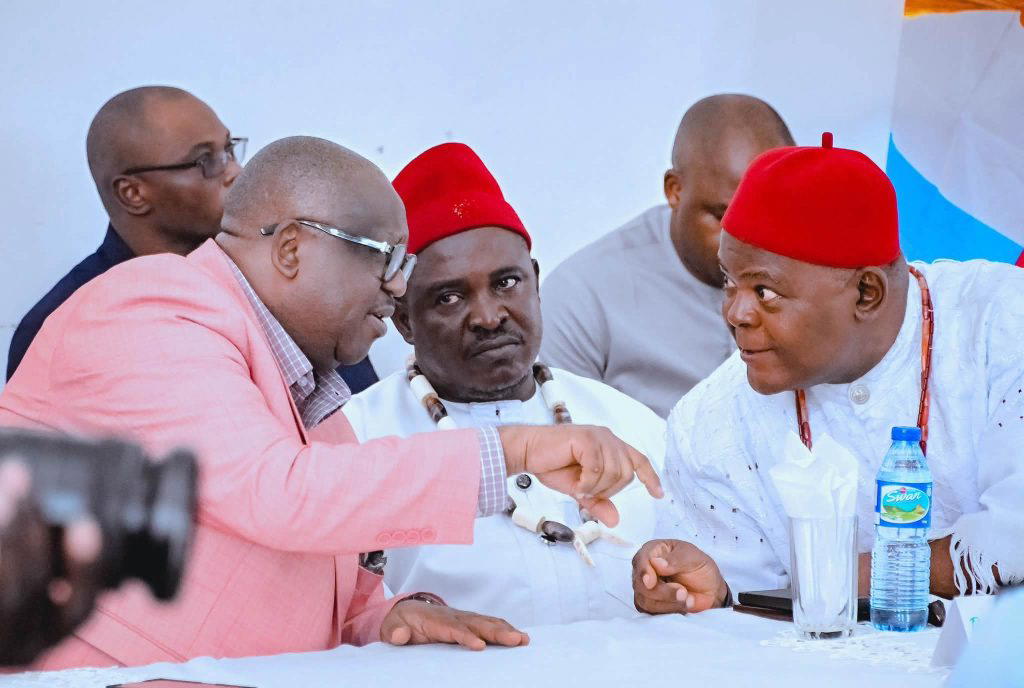
The recent arrest of Prince Matthew Adeniyi Adeyemi, director-general of the Presidential Foreign Intervention Promotion Council, has exposed the unsettling "bribe-for-appointment" culture that pervades Nigeria's political landscape. Adeyemi's shocking admission of accepting bribes for key appointments has sparked outrage and renewed calls for transparency and accountability within the government.
In his statement before being detained, Adeyemi revealed, "I took a bribe to ensure certain individuals were appointed to influential positions." This admission not only undermines public trust in governance but also highlights the systemic corruption that hampers Nigeria's development efforts. Critics argue that such practices prioritize personal gain over national interest, exacerbating the challenges facing the country.
As the investigation unfolds, stakeholders, including civil society groups, are demanding comprehensive reforms to eliminate corruption in governmental appointments. The implications of Adeyemi's case extend beyond individual accountability; they could catalyze a broader movement for systemic change. Moving forward, the outcome of this scandal may serve as a litmus test for the government's commitment to reform and its ability to regain the public's trust in a nation yearning for integrity and progress.