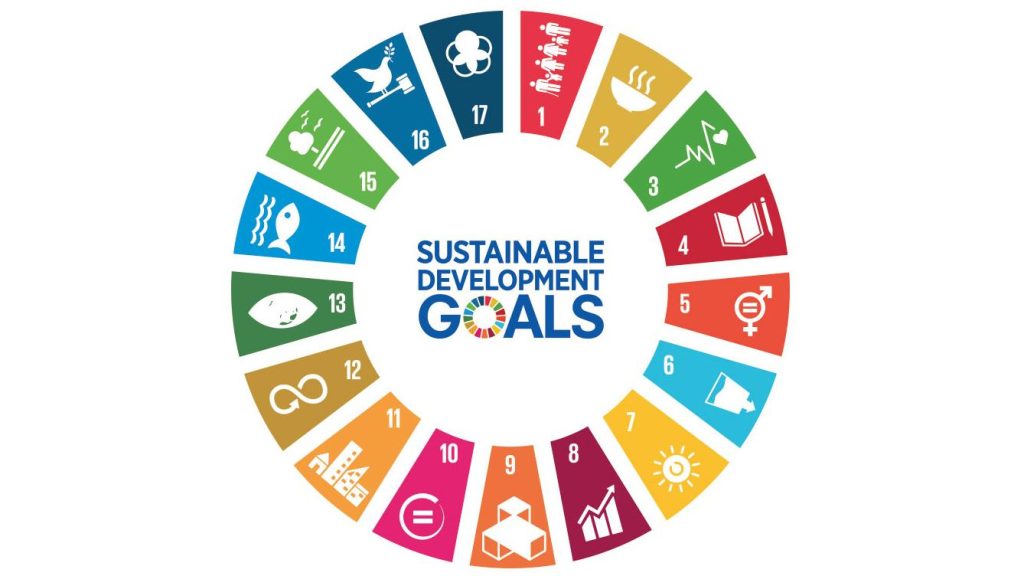
Nigeria's commitment to the UN's 2030 Agenda for Sustainable Development, articulated in 2015, aimed to eradicate poverty and foster inclusive growth. Yet, as the deadline approaches, the nation grapples with significant disparities between ambition and tangible outcomes. Reports indicate that many Nigerians still live in extreme poverty, exacerbated by economic instability and inadequate infrastructure.
Key developments over the past year include increased advocacy for accountability from civil society and calls for more effective government policies. Despite these efforts, stakeholders express concern about the slow pace of progress. "We cannot afford to let rhetoric overshadow reality," stated Amina J. Mohammed, Nigeria's Minister of Environment. Her remarks underscore the urgency for decisive action rather than mere promises.
Looking ahead, Nigeria faces a crucial crossroads. The government must prioritize sustainable policies that translate into meaningful improvements in citizens' lives. With only a few years left to meet the SDGs, the nation's ability to bridge the gap between goals and actual progress will be paramount. Engaging communities and harnessing local resources may be essential to drive the impactful change needed for a sustainable future.