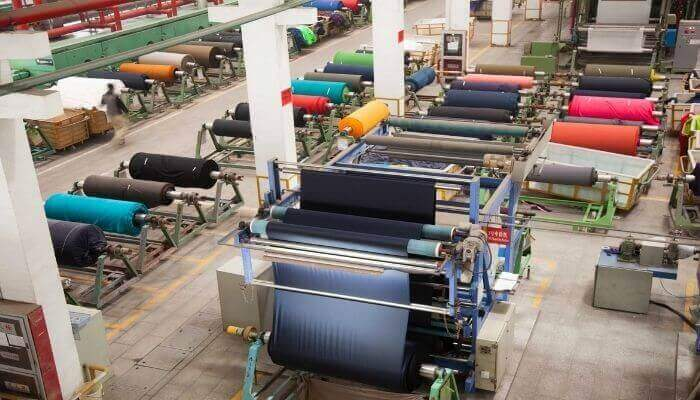
Nigeria's textile importation surged by 17 percent year-on-year in Q1 2026, reaching N267.7 billion, underscoring a persistent dependency on foreign goods amid ongoing efforts to bolster domestic production. This increase highlights the challenges faced by the local textile industry, which continues to struggle against infrastructural shortcomings, inadequate funding, and competition from cheaper imports.
Despite various government initiatives aimed at reviving the sector, the reliance on imports remains pronounced. According to Olufemi Okeowo, President of the Textile Manufacturers Association of Nigeria, "The current import figures indicate a need for urgent policy reforms and support for local producers to stimulate growth and sustainability." Such statements reflect a growing frustration within the industry, as stakeholders advocate for measures that could enhance local production capabilities and reduce dependency on imports.
Looking ahead, the Nigerian government must prioritize strategic interventions, including improved access to financing and incentives for local manufacturers. Without these changes, the sector risks stagnating, further undermining the nation’s economic ambitions and job creation in the textile industry.