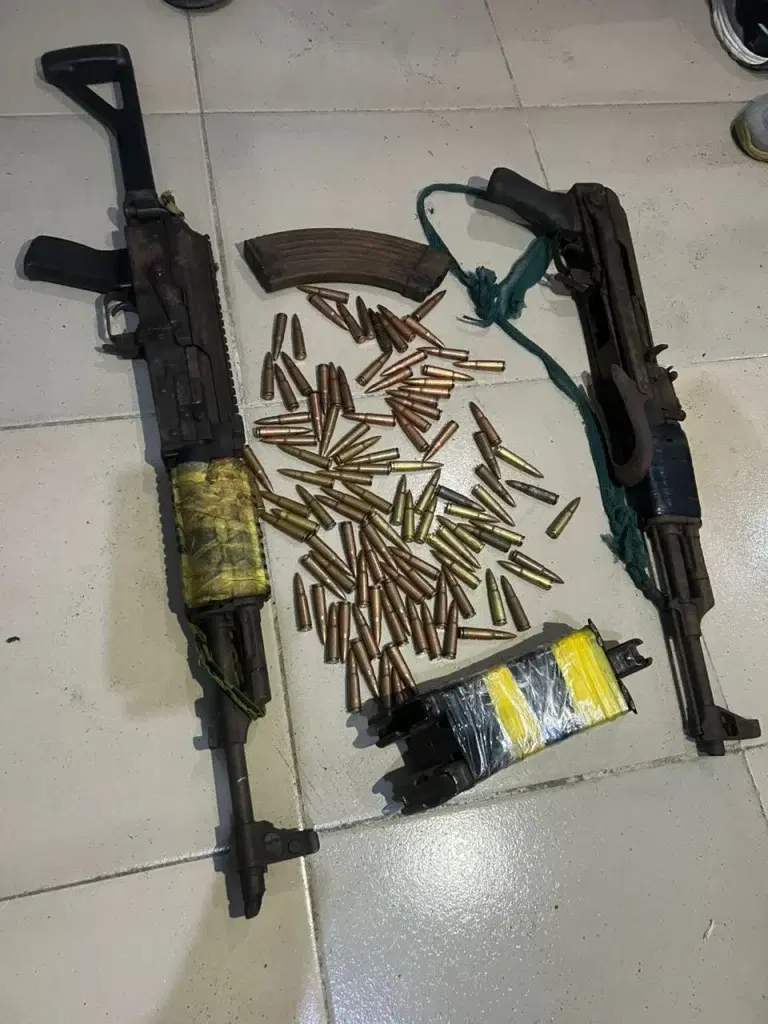
The recent release of 360 captives in Borno State sheds light on the ongoing humanitarian crisis fueled by insurgency in the region. These individuals recounted harrowing tales of starvation and the deaths of fellow captives, highlighting the brutal conditions imposed by their captors. Reports also allege the recruitment of teenagers into terrorist ranks, further complicating the security landscape in northeastern Nigeria.
The Borno State government has denied claims of ransom payments for the captives' release, emphasizing ongoing military efforts to combat insurgency. "Our focus remains on restoring peace and security, not negotiating with criminals," stated Babagana Zulum, the Governor of Borno State. This declaration underscores the state's commitment to a hardline stance against terrorism, despite the dire circumstances faced by many civilians.
As these stories emerge, they reveal the urgent need for comprehensive support and rehabilitation strategies for victims of insurgency. The unfolding situation calls for increased international attention and intervention, as the cycle of violence and deprivation threatens to destabilize the region further. The resilience of the affected communities will be critical in shaping their path toward recovery and peace.