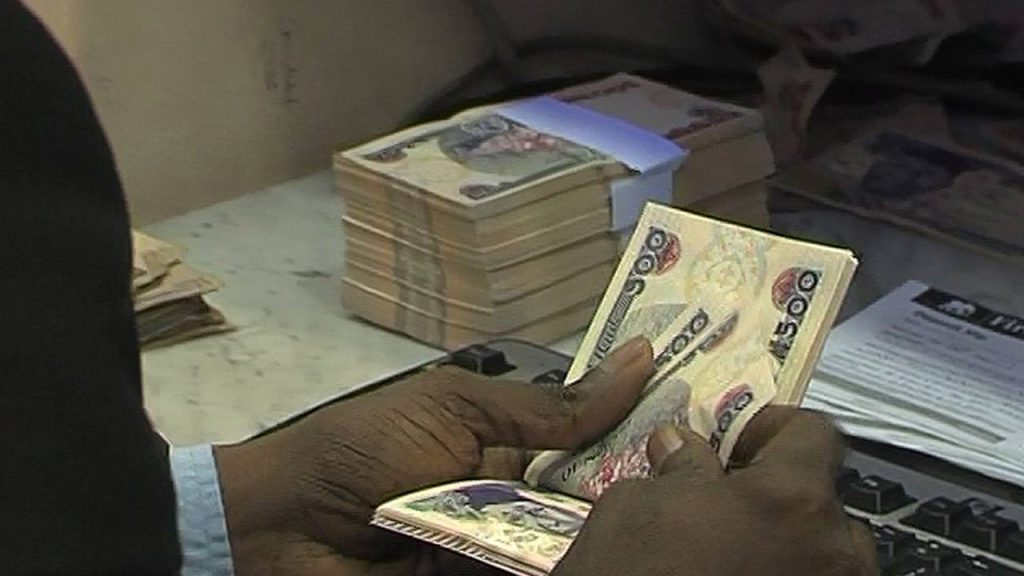
Nigeria's economic stability hinges on urgent tax reforms, as underscored by Vice President Kashim Shettima's recent advocacy for the Federal Government's initiatives. With a pressing need to diversify revenue sources amidst fluctuating oil prices, the government is eyeing a comprehensive overhaul of its tax structure. This is particularly timely as the nation grapples with rising inflation and public debt.
Former Edo State Governor Adams Oshiomhole has emphasized the necessity of taxing the wealthy to bolster state revenues. "We cannot continue to rely solely on oil; the rich must contribute their fair share to ensure sustainable growth," Oshiomhole stated, highlighting the inequities in the current tax system. His comments reflect a growing consensus that without significant reform, Nigeria risks further economic decline.
Looking ahead, the implementation of these tax reforms could reshape Nigeria's fiscal landscape, potentially unlocking new sectors for investment and enhancing public services. If executed effectively, these changes may not only stabilize the economy but also foster a more equitable distribution of wealth, paving the way for a more resilient Nigeria.