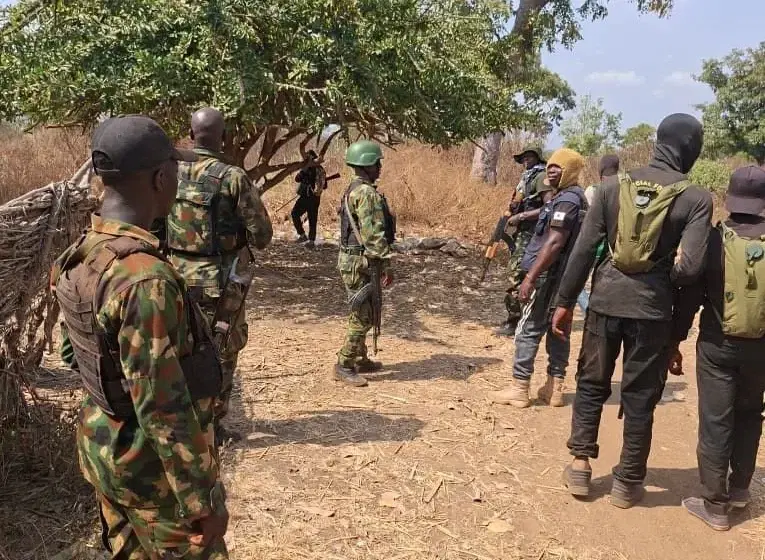
The recent video released by the Ansaru faction of Boko Haram, showcasing the kidnapping of 46 Nigerians, underscores the escalating threat of terrorism in Nigeria. This incident, which primarily targets schoolchildren and teachers in Ogbomoso, highlights a grim reality where educational institutions are increasingly seen as soft targets. The Nigerian government faces mounting pressure to respond decisively to these acts of terror and their underlying networks of support.
Dr. Abubakar Idris, a security analyst, noted, “To effectively combat terrorism, we must target not only the insurgents but also their sympathizers and financial backers.” This comprehensive approach is essential, as the interconnectedness of these elements perpetuates the cycle of violence. The government's strategy has often been reactive rather than proactive, leaving communities vulnerable and fearful.
As Nigeria grapples with this persistent security challenge, the need for a robust counter-terrorism strategy that encompasses intelligence sharing, community engagement, and regional cooperation is paramount. The path forward must involve a united front against all facets of terrorism, ensuring that the safety of citizens, particularly children, is prioritized.