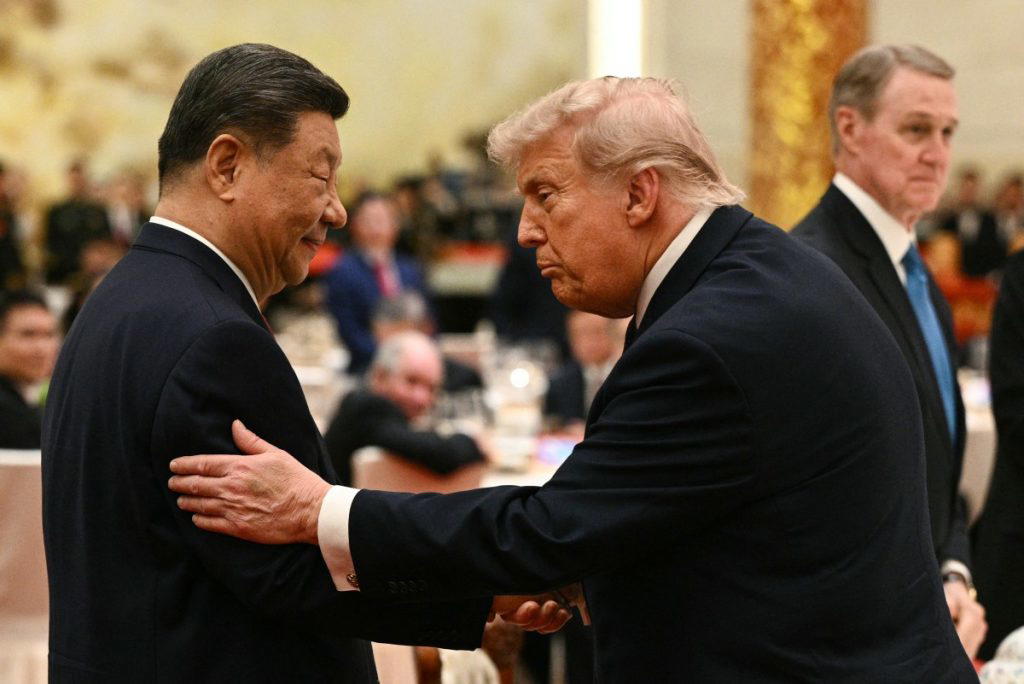
In the grand halls of Beijing, where the intricate tapestries of diplomacy and international relations are woven, a significant and potentially volatile dialogue unfolded. Under the ornate ceilings of China's capital, President Xi Jinping and former U.S. President Donald Trump convened for a high-stakes summit. The meeting, shrouded in a mix of diplomatic formality and the unyielding urgency of global geopolitics, centered around the increasingly tense issue of Taiwan. With a backdrop of strategic posturing and mutual suspicion, Xi issued a stern warning to Trump about the looming perils should the Taiwan issue be mishandled, cautioning that missteps could escalate into a serious conflict between two of the world's most powerful nations.
The Taiwan issue has long been a linchpin of Sino-American relations, a geopolitical flashpoint fraught with historical tension and complex diplomatic maneuvering. Taiwan, an island with its own government since the end of the Chinese Civil War in 1949, remains a core issue in China's foreign policy, with Beijing considering it a breakaway province that must eventually be reunified with the mainland, by force if necessary.