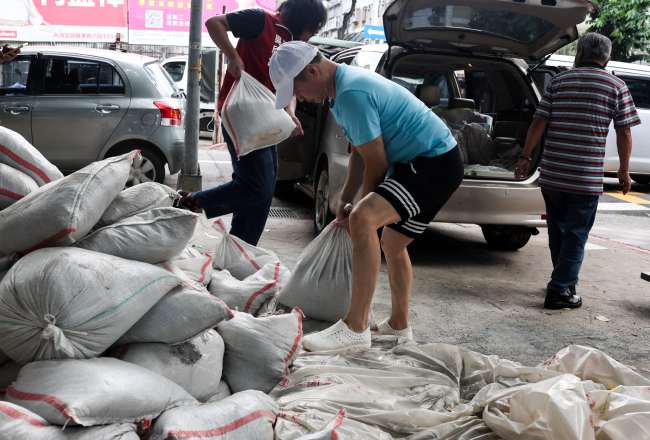
As Typhoon Bavi approaches Taiwan, the island braces for what meteorologists describe as "destructive" winds and towering waves. Set to hit the northern coast on Friday and Saturday, Bavi threatens to exacerbate the already dire weather conditions in China, which has recently faced deadly storms. The Taiwan Central Weather Bureau has issued warnings, urging residents to prepare for potential evacuations and property damage.
Taiwan's Premier, Chen Chien-jen, emphasized the urgency of the situation, stating, "We must prioritize the safety of our citizens and be ready to respond swiftly to any emergencies." The storm's trajectory indicates it will make landfall in southeastern China, raising concerns over flooding and landslides in regions still recovering from previous disasters.
As the typhoon nears, the focus shifts not only to immediate safety measures for Taiwan but also to the broader implications for emergency response strategies in the region. With climate change intensifying weather patterns, both Taiwan and China face increasing challenges in managing natural disasters, underscoring the need for comprehensive preparedness and regional collaboration in disaster management.