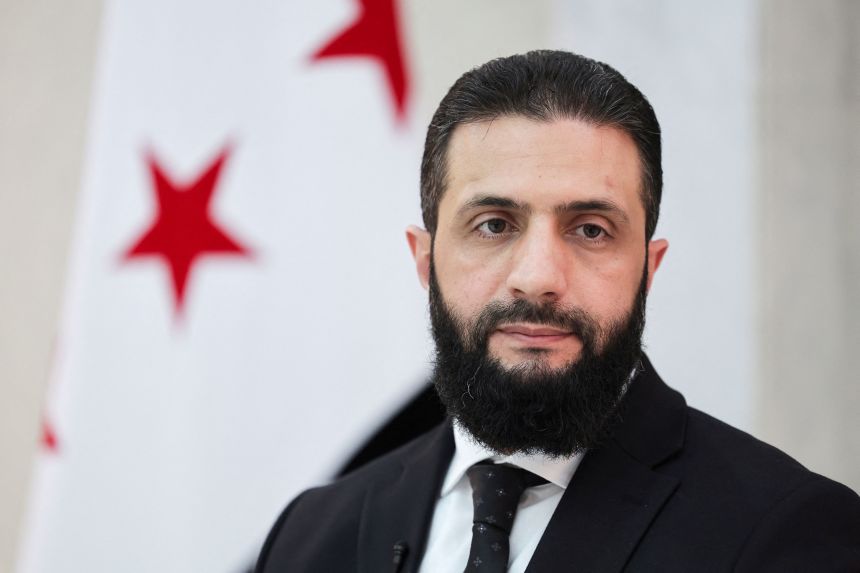
The arrival of Syrian President Bashar al-Assad in Ankara for talks with U.S. President Donald Trump underscores a significant shift in geopolitical dynamics following years of civil conflict and regional instability. The summit, which also includes 36 heads of state and representatives from Gulf countries, signals an unprecedented opportunity for dialogue among key players in the Middle East.
In the lead-up to this meeting, relations between the U.S. and Syria have been fraught with tension, particularly regarding American military presence in the region and the humanitarian crisis in Syria. Assad's visit aims to address these issues, with the Syrian leader emphasizing the need for cooperation: “Dialogue is essential for peace and stability in our region.”
The implications of this summit could reshape alliances and foster new negotiations around Syria's reconstruction and security. As global powers recalibrate their strategies, the outcome of these discussions may pave the way for a more stable Middle East. Observers will be watching closely to see if this meeting can yield tangible results or if it will merely serve as a symbolic gesture in a complex geopolitical landscape.