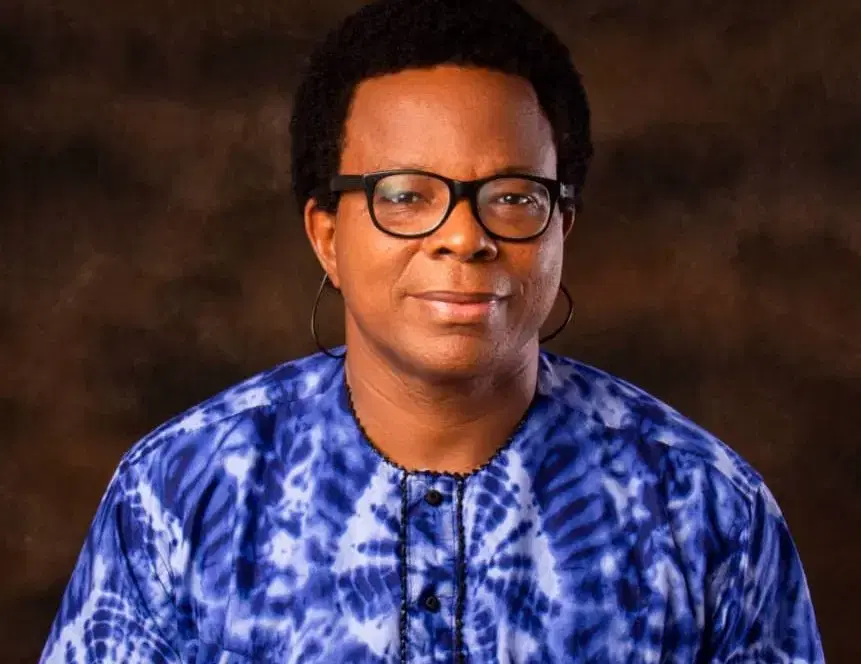
Sunday Igboho, once a fugitive from Nigerian law, has emerged in a transformed narrative that positions him as a pivotal figure in the ongoing security crisis in Nigeria. His confrontations with Fulani herdsmen led to a government crackdown, forcing him to flee and ultimately face arrest in Cotonou. Now, as he navigates the complexities of his legal battles, Igboho's role has evolved from a mere escapee to a symbol of regional resistance against perceived oppression.
In recent statements, Igboho emphasized, “We will not rest until we achieve our goal of securing our land and people.” This declaration resonates with many who view him as a champion for the Yoruba people amid escalating tensions between ethnic groups and the government. His growing influence highlights a concerning trend of regional leaders stepping into roles traditionally held by state authorities, raising questions about the efficacy of Nigeria's security framework.
As Nigeria grapples with multifaceted security challenges, Igboho's future actions may dictate the trajectory of regional activism and the broader implications for national unity. The interplay between grassroots movements and governmental authority will be crucial in shaping the country's stability moving forward.