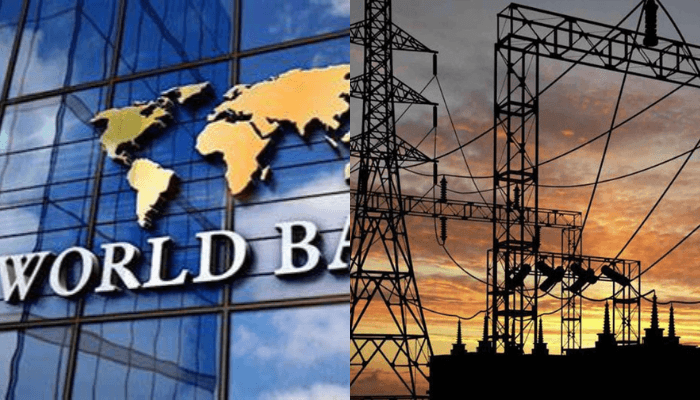
The recent decision by the World Bank to withdraw from a $717.7 million financing agreement with Nigeria underscores the growing tensions surrounding the nation's power sector reform. This cancellation follows a prolonged struggle between the Nigerian government and international lenders over subsidy policies that have hindered investment and efficiency.
The World Bank's withdrawal highlights a critical moment in Nigeria's economic trajectory, as the government grapples with mounting energy demands and insufficient infrastructure. Stakeholders have long voiced concerns about the sustainability of subsidies, which drain public resources without delivering reliable electricity. "We cannot continue down a path that compromises our future for short-term gains," remarked Dr. Amina Bello, Nigeria's Minister of Power.
As Nigeria navigates these challenges, the implications are significant. The withdrawal may deter future investments and exacerbate the already dire energy crisis. Moving forward, the government must prioritize structural reforms that attract international support while fostering a more resilient power sector. Without decisive action, Nigeria risks further entrenching its energy woes, impacting economic growth and societal stability.