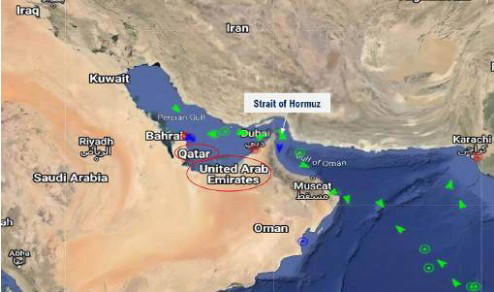
Iran's recent declaration that the Strait of Hormuz is closed "only to our enemies" signals a pivotal shift in regional security and global energy trade. This strategic waterway, through which approximately 20% of the world's oil passes, has long been a flashpoint between Iran and Western nations, particularly the United States. Following Iran's increased military presence and assertive posture, the closure raises alarms over potential disruptions to global oil supply.
Iranian Foreign Minister Hossein Amir-Abdollahian emphasized, "We will not allow our enemies to threaten our sovereignty or security." This statement underscores Tehran's commitment to asserting control over maritime routes, reflecting its broader strategy amid escalating tensions with the U.S. and its allies. The implications of this stance extend beyond regional borders, as fluctuations in oil supply can trigger significant economic repercussions worldwide.
Looking ahead, the international community must navigate a complex landscape where Iran's actions could lead to heightened tensions or provoke a military response from neighboring countries. As energy prices remain volatile, the potential for conflict in the Strait of Hormuz poses a critical challenge that demands urgent diplomatic engagement to avert a crisis.