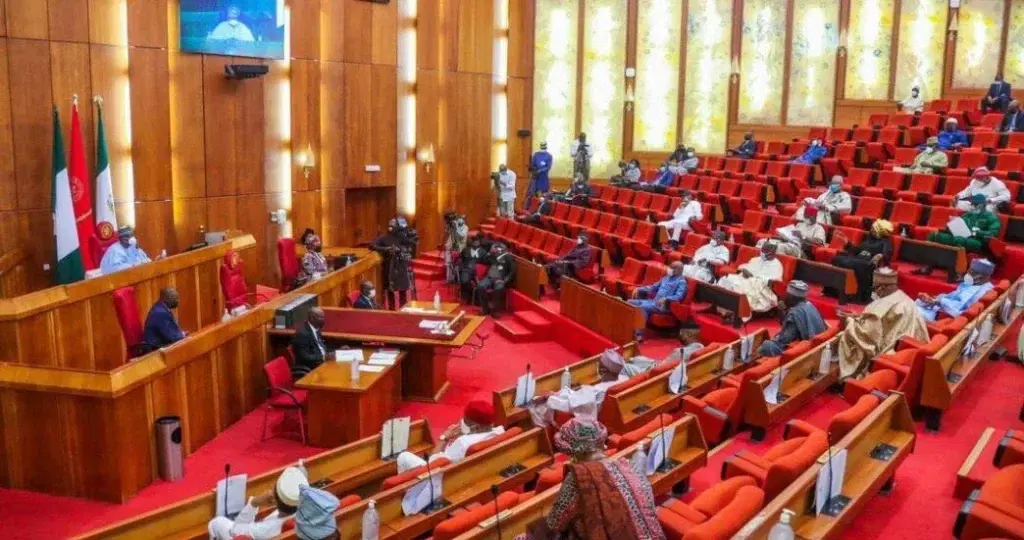
The Nigerian Senate’s recent call for the federal government to halt the rehabilitation and reintegration of former insurgents underscores a growing frustration within political circles regarding national security policies. This shift comes as the country grapples with persistent violence from groups like Boko Haram and ISWAP, which have wreaked havoc in the northeast for over a decade. Lawmakers emphasized that leniency towards these perpetrators risks further destabilizing affected communities.
Senator Ali Ndume, Chairman of the Senate Committee on Army, stated, “We must send a strong message that terrorism will not be tolerated; they need to face justice.” This sentiment reflects a broader concern that the current approach may embolden insurgents and undermine public trust in government efforts to combat terrorism.
As Nigeria seeks to navigate its complex security challenges, the Senate's stance may signal a pivotal shift in counter-terrorism strategy. The effectiveness of this approach will depend on the government’s ability to balance justice with the need for comprehensive peacebuilding initiatives that address the root causes of insurgency. The implications of this policy could significantly reshape Nigeria's security landscape in the coming years.
