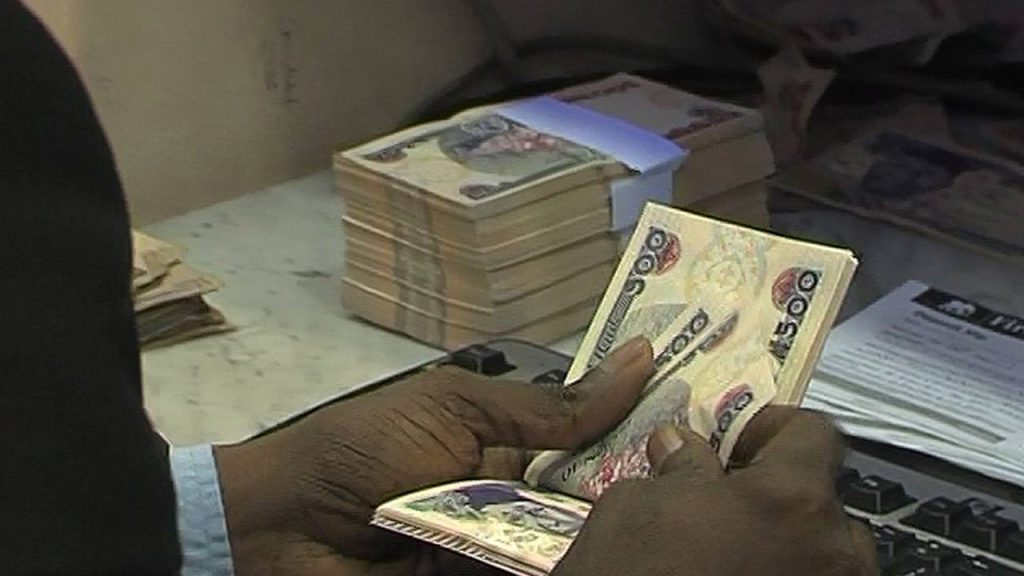
As Nigeria gears up for the 2027 elections, a significant 58% plunge in state capital spending during the first quarter of 2026 underscores the mounting political tension. This drastic reduction reflects a shift in priorities as state governments redirect resources towards electoral strategies rather than developmental projects. The decline raises concerns about the long-term implications for infrastructure and economic growth.
Stakeholders point to the growing uncertainty as a key factor behind this cutback. "Governors are hesitant to commit funds to projects when the political landscape is so unstable," said Oluwaseun Adeyemi, an economic analyst. This sentiment is echoed across various states, where the fear of losing power or facing opposition has led to a freeze on capital expenditure, further stalling development initiatives.
Looking ahead, the ramifications of this spending drop could be profound. With critical infrastructure projects on hold, the potential for economic stagnation grows, fostering discontent among citizens who may feel the brunt of these political maneuvers. As the election date approaches, the balance between political ambitions and developmental needs may shape Nigeria's economic landscape for years to come.