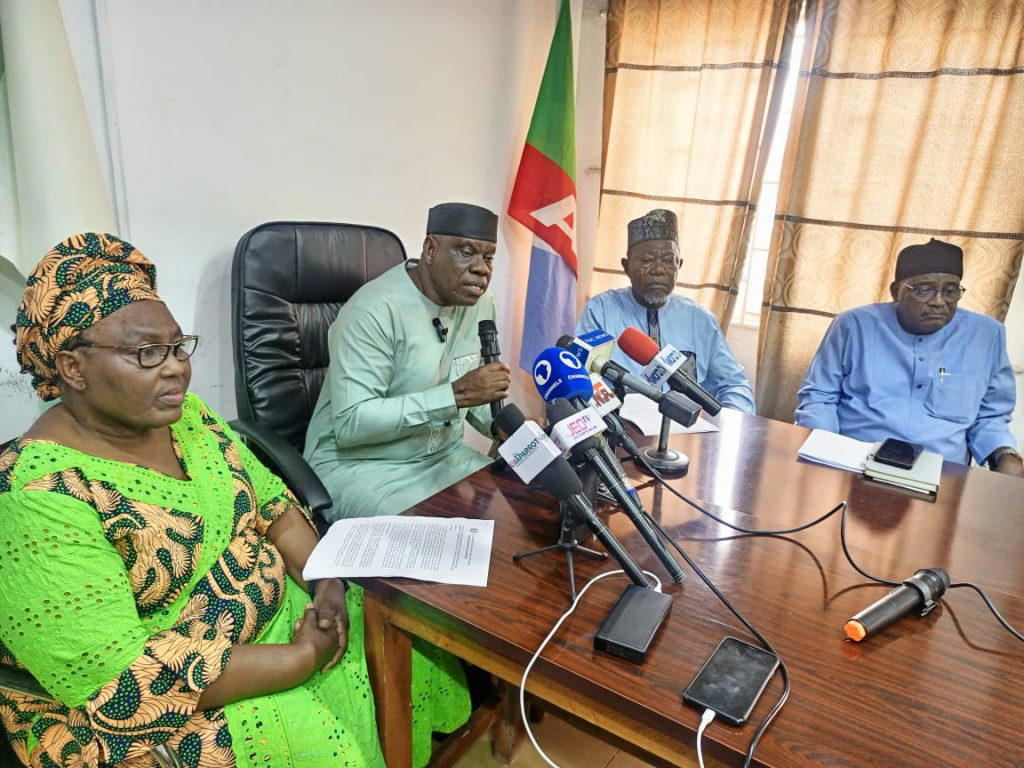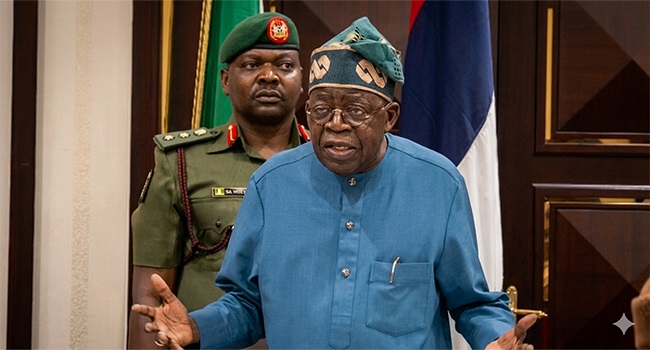
The ongoing reform of Nigeria's police system has gained momentum with President Bola Tinubu's establishment of a Presidential Working Group. This initiative aims to decentralize law enforcement by empowering State Police Services to handle local issues while maintaining the Federal Police's focus on national security, terrorism, and cybercrime. This delineation is crucial for addressing the unique challenges faced by various regions in Nigeria.
The proposed bill is poised to create a more responsive and accountable police system, which has long been a contentious issue in Nigerian governance. "This reform is not just about policing; it's about restoring trust in our institutions and ensuring safety for all Nigerians," stated Mohammed Adamu, Inspector General of Police. The intended separation of responsibilities aims to align law enforcement with community needs while establishing nationally standardized oversight mechanisms.
As the bill progresses, its ratification could signal a pivotal shift in Nigeria's approach to public safety and governance. Stakeholders anticipate that effective implementation will not only enhance local law enforcement but also mitigate the persistent issues of corruption and inefficiency that have plagued the police force historically. The coming months will be critical in determining the reform's success and its potential impact on national stability.