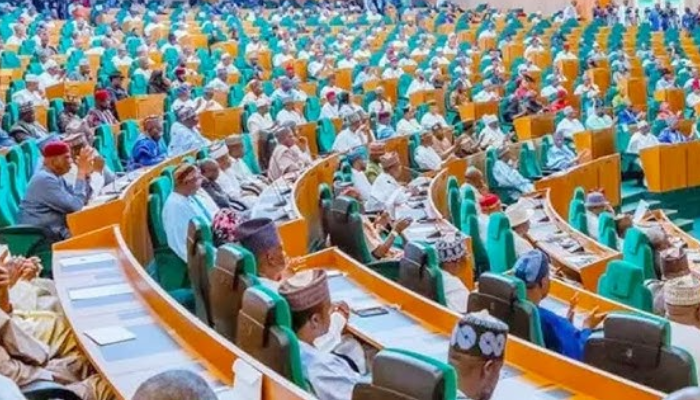
As Nigeria grapples with escalating insecurity, the prospect of state police has resurfaced, igniting a contentious debate over the trustworthiness of governors wielding such power. Twenty-seven years into democratic rule, the National Assembly's renewed discussions on regional policing highlight a significant shift in the security paradigm, aiming to address local challenges more effectively.
Historically, regional policing was abandoned due to fears of abuse and political manipulation. Advocates argue that state police could enhance accountability and responsiveness, while critics warn of potential misuse by governors as tools of political control. Senator Biodun Olujimi reflects this concern, stating, "Trusting governors with state police might lead to a monopoly on power, jeopardizing the very essence of democracy."
The success of state police hinges on institutional checks and balances that prevent political interference. As Nigeria confronts the dual challenges of rising crime and political instability, the debate over state police will be pivotal in shaping the country’s security framework. The path forward requires vigilance to ensure that regional forces serve the public interest rather than political ambitions, thus safeguarding democracy while enhancing local security.

