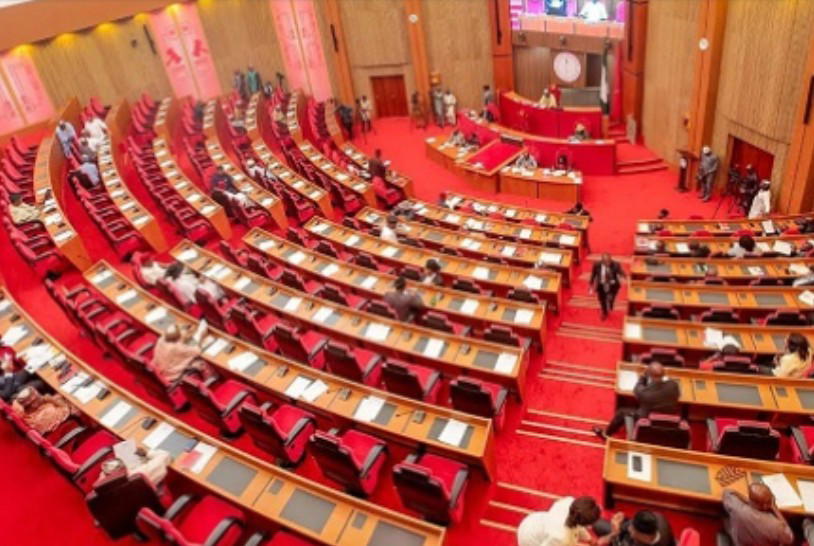
The recent advancement of the state police bill in the Nigerian Senate marks a significant step towards decentralizing law enforcement. On June 24, 2026, Senate Leader Opeyemi Bamidele successfully moved to suspend Senate rules, allowing for a swift second reading of the executive bill designed to provide constitutional backing for state police services. This development follows years of debate over the efficacy and accountability of a singular, federal police system.
Supporters argue that state police will enhance local security, enabling tailored responses to regional issues. "This is a historic moment for Nigeria," Bamidele stated, emphasizing the need for state governments to have autonomy in managing their security apparatus. Critics, however, warn that state police could lead to increased politicization and potential abuse of power, especially in areas with contentious governance.
As discussions continue, the implications for the security landscape are profound. If passed, the bill could reshape the relationship between state and federal authorities, prompting a reevaluation of power dynamics in Nigeria's governance. The outcome remains uncertain, but the potential for enhanced localized security is a compelling prospect for many citizens.