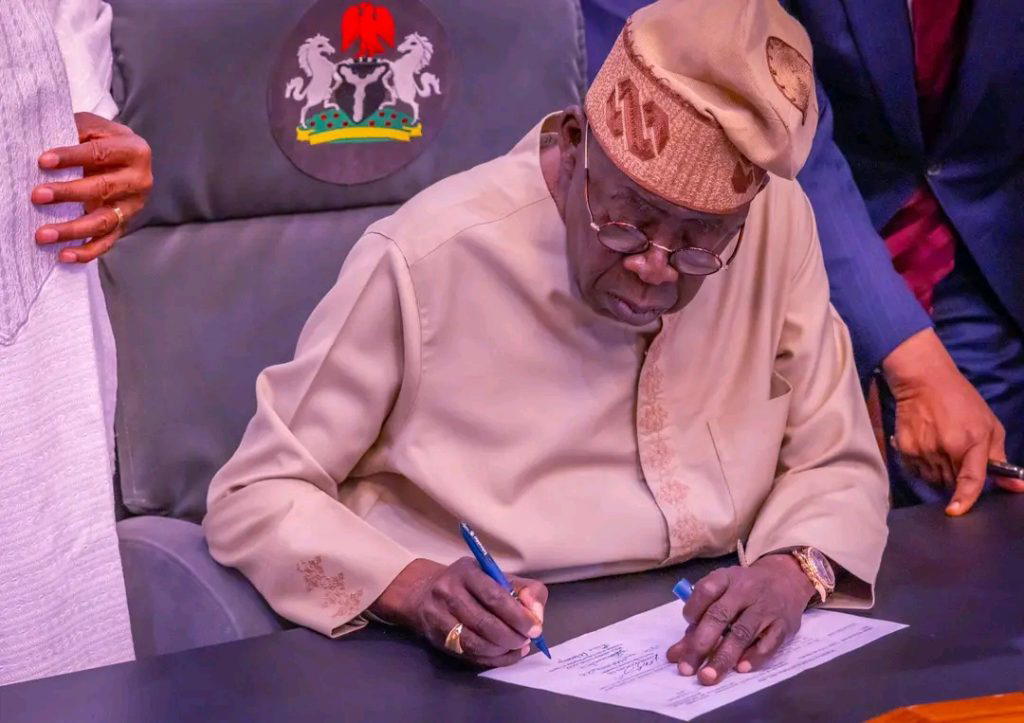
The recent passage of the State Police Bill by Nigeria's National Assembly marks a significant shift in the balance of power between state governors and the police. Under the new legislation, governors can no longer unilaterally dismiss police chiefs who resist unlawful orders or political pressure, as they must now navigate two independent hurdles before any dismissal can occur. This development raises concerns about the autonomy of state leadership and the potential for increased political tension.
Critics argue that the bill effectively undermines the authority of governors, with some calling it a direct affront to state sovereignty. "This bill is a clear attempt to centralize power and limit the ability of state leaders to govern effectively," said Senator Adamu Suleiman. The implications of this law could reverberate through local law enforcement, complicating the relationship between governors and state police.
As Nigeria grapples with issues of governance and security, the State Police Bill could result in a more politicized police force, potentially straining the relationship between the federal and state governments. The effectiveness of policing in addressing local issues may depend heavily on how this legislation is implemented in practice.

