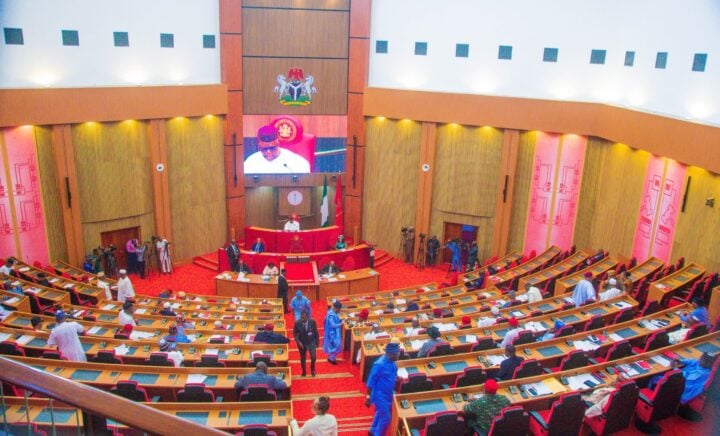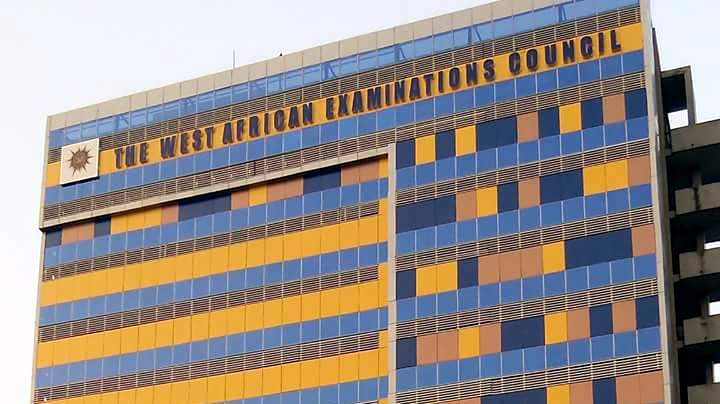
The recent reversal of a proposed N50,000 registration fee for the Senior Secondary Certificate Examination has sparked considerable debate over the funding of educational assessment in Nigeria. An investigation reveals that examination bodies like WAEC and NECO could have generated approximately N175 billion annually from such fees, significantly impacting their operational budgets.
The proposed hike, aimed at addressing financial shortfalls, faced backlash from stakeholders concerned about the affordability for families. “Education should be accessible to all, not a privilege for the wealthy,” said Dr. Mary Adebayo, an education policy analyst. This sentiment underscores the tension between funding needs and the realities faced by students and parents.
While the government’s decision to retract the fee hike may alleviate immediate pressure on families, it raises questions about the sustainability of educational financing. As Nigeria's population continues to grow, the need for a robust funding model for education becomes increasingly urgent. Stakeholders must collaborate to explore alternative funding mechanisms that ensure both accessibility and the quality of education, balancing financial viability with the right to education for all.