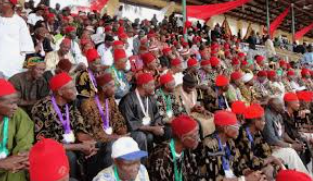
The recent arrest of activist Omoyele Sowore has ignited a dialogue about the importance of dissent in Nigeria's political landscape. The United Igbo Elders Council (UNIEC) Worldwide condemned the government’s actions, emphasizing that political differences should not lead to hostility or the suppression of rights. This sentiment reflects a broader concern regarding the shrinking space for free expression in Nigeria, where dissent is often met with severe consequences.
UNIEC's statement highlights that "the strength of a nation lies in respecting dissenting voices," underscoring the need for a robust democratic culture. Sowore, known for his criticism of the government and advocacy for reform, serves as a symbol of the challenges faced by activists. His detention raises questions about the government's commitment to democratic principles and human rights.
Moving forward, the situation calls for a renewed commitment from both government and civil society to uphold the values of democracy. As Nigeria grapples with its political identity, respecting dissenting voices will be crucial in fostering a more inclusive and resilient society. The response to Sowore's arrest may very well define the future landscape of political discourse in the country.