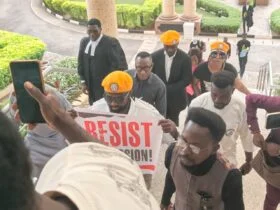
Omoyele Sowore, the presidential candidate of the African Action Congress (AAC), made a notable appearance in the Federal High Court in Abuja on Monday, following a bench warrant issued for his arrest. This arrest order underscores the ongoing tensions between Sowore and the Nigerian government, particularly regarding his activism and political dissent.
Sowore has been a controversial figure, frequently criticizing the administration and advocating for systemic change. His legal troubles have sparked debates on freedom of expression and the treatment of opposition figures in Nigeria. As he arrived, Sowore stated, "I will continue to fight for the rights of Nigerians, no matter the personal cost." This sentiment resonates with his supporters who view him as a symbol of resistance against governmental oppression.
As the trial unfolds, it will be essential to monitor how the judiciary handles the case, as it may set a precedent for political dissent in Nigeria. The implications of this trial extend beyond Sowore, reflecting broader issues of political freedom and human rights in an increasingly polarized political landscape. The outcome could significantly influence the upcoming electoral climate and the role of opposition parties in Nigeria's democracy.
