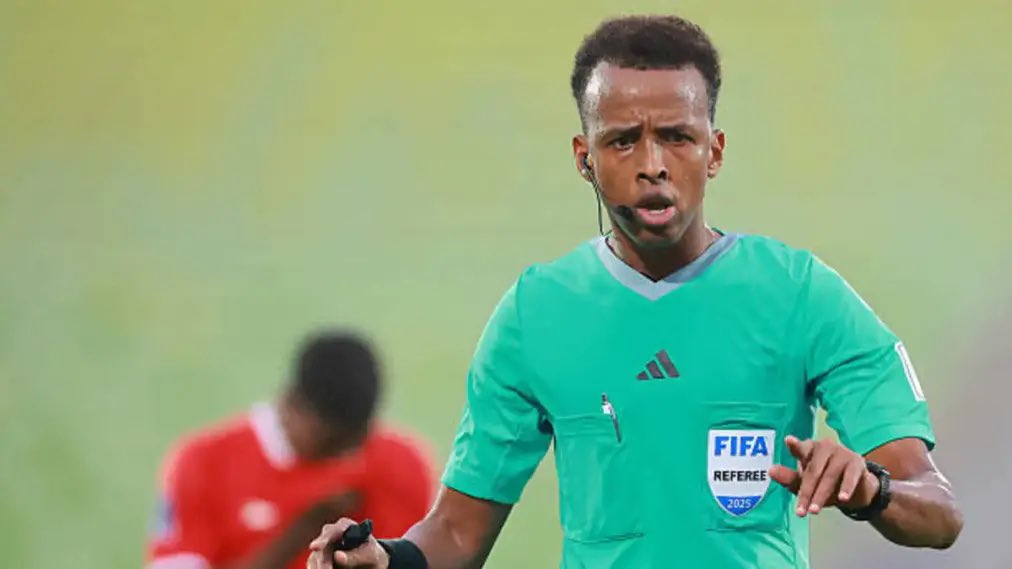
Somali referee Omar Artan’s aspiration to officiate at the World Cup has been shattered after he was denied entry to the United States. This incident highlights the ongoing challenges faced by African officials in the global sporting arena. Artan described the moment as the "biggest dream of my life" being "ripped away," emphasizing the emotional toll of the decision and its implications for representation in high-stakes competitions.
Artan's situation reflects broader systemic issues, including the complexities of visa regulations and the barriers that officials from developing nations often encounter. Despite being a recognized talent within the African football community, his exclusion underscores the need for more inclusive practices in international sports governance.
As the World Cup progresses, this incident may galvanize discussions about the treatment of African referees and the importance of diversity in officiating. The hope is that future tournaments will prioritize equitable access for all officials, ensuring that deserving talents like Artan can fulfill their dreams on the world stage. Without significant policy changes, however, the ambitions of many like him may remain unrealized.