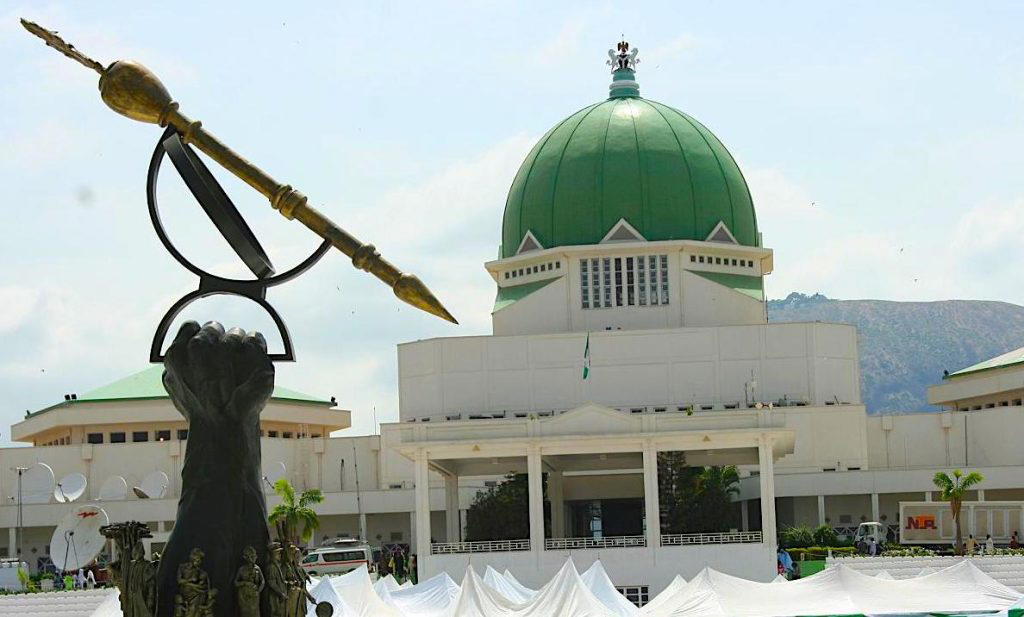
On June 4, 2026, a heavy security presence effectively prevented protesters from accessing the National Assembly Complex, underscoring the government’s stance on dissent. Military personnel, police, the Department of State Services (DSS), and the Nigeria Security and Civil Defence Corps (NSCDC) formed a barricade around key entry points, reflecting heightened tensions in the political landscape.
The protest, organized by civil society groups advocating for electoral reforms, aimed to draw attention to perceived injustices in the electoral process. A spokesperson for the protesters, Aisha Bello, emphasized the need for dialogue, stating, "We are not here to cause trouble but to seek accountability and transparency from our leaders." The heavy-handed response from security forces raises concerns about the government’s commitment to democratic principles and citizens' rights to free assembly.
As Nigeria approaches critical elections, the government's approach to handling dissent could have lasting implications for public trust and civic engagement. With rising frustrations among the populace, the administration may need to reconsider its tactics to foster a more inclusive dialogue, or risk further alienating citizens who demand change.