A recent incident in Borno State, Nigeria, underscores the persistent threat posed by the Islamic State West Africa Province (ISWAP) as six of its suspected bomb makers were killed in a premature improvised explosive device (IED) explosion. This tragic event not only reflects the dangers faced by local communities but also highlights the ongoing struggle against insurgency in the region.
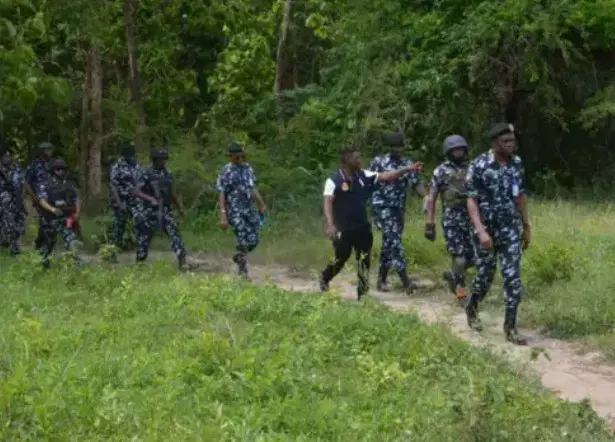
The explosion occurred amid heightened military operations aimed at dismantling ISWAP's capabilities. Despite these efforts, the group continues to adapt and evolve, presenting a significant challenge for security forces. Local officials have voiced concerns about the resurgence of violence, with Borno's Governor, Babagana Zulum, stating, "While we celebrate any reduction in attacks, we remain vigilant, knowing the threats are far from eliminated."
Looking ahead, the Nigerian government must bolster its counter-insurgency strategies while addressing the root causes of extremism to ensure lasting security. As ISWAP's activities continue to pose a serious risk, a comprehensive approach that includes community engagement and economic development may be vital in stabilizing the region and preventing future tragedies.