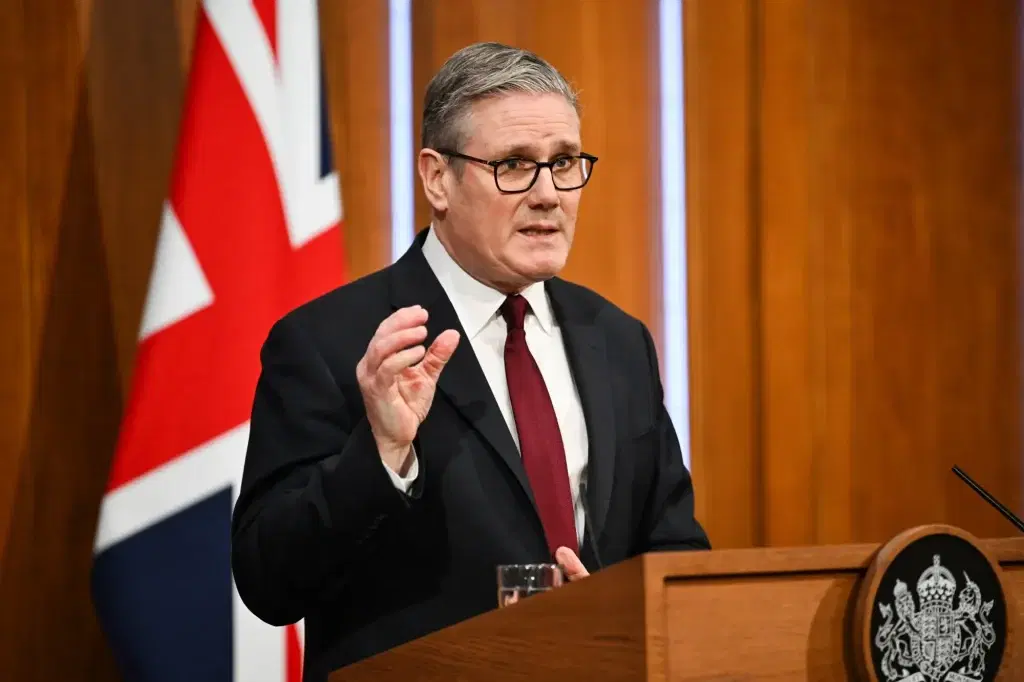
Britain's political landscape has been turbulent, culminating in the ousting of Labour leader Keir Starmer, marking the seventh prime minister in just a decade. This rapid turnover is emblematic of the ongoing turmoil within the UK's political parties, exacerbated by issues such as economic instability, public dissatisfaction, and the lingering effects of Brexit. Starmer's removal, driven by internal party dissent, underscores the fragility of leadership in a time when the public seeks stability and effective governance.
As political analysts note, this trend of instability has created a crisis of confidence among the electorate. "The frequent changes in leadership reflect a deep-seated discontent with the political status quo," said Sarah Johnson, a political analyst at the Institute for Political Studies. She emphasized that this cycle of chaos could lead to a significant shift in voter alignment in the next general elections.
Looking forward, Britain faces a critical juncture. With a general election looming, parties must address the root causes of their instability to regain public trust. The emergence of new leadership could either signal a fresh start or further entrench existing divisions, profoundly shaping the future of British politics.