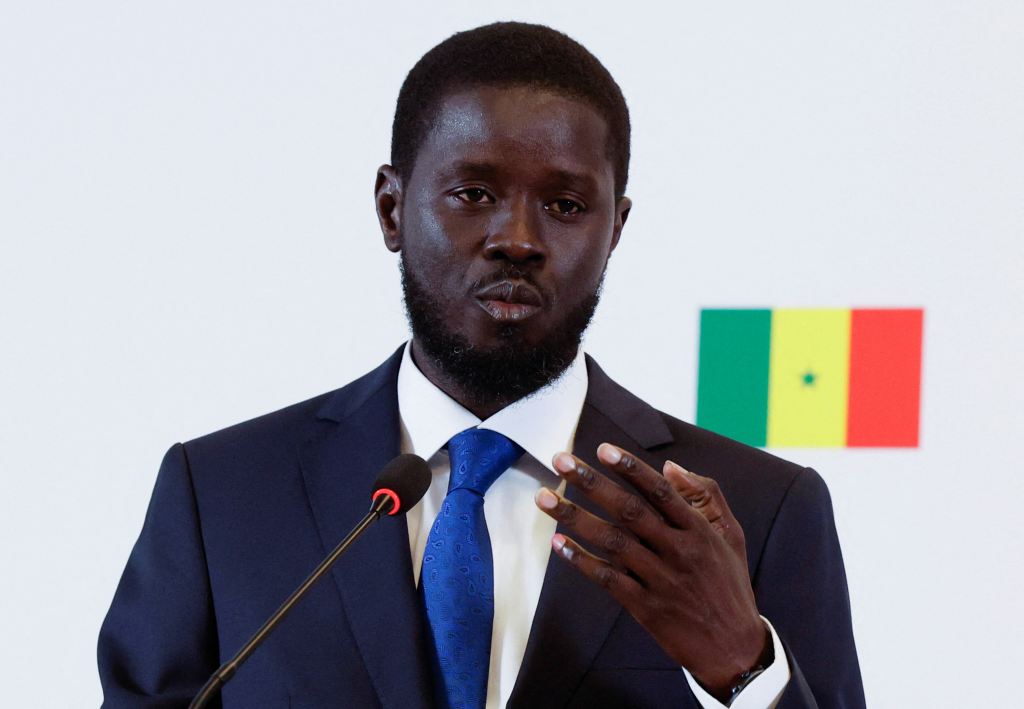
Senegal's political landscape has shifted dramatically as President Bassirou Diomaye Faye unveiled a new government devoid of the party led by his former ally Ousmane Sonko. This decision follows Sonko's dismissal as prime minister amidst escalating tensions over governance and policy directions. The exclusion marks a significant departure from previous coalition dynamics and signals a consolidation of power by Faye.
The new cabinet reflects Faye's commitment to advancing his agenda without the influence of Sonko's political faction, which has been increasingly critical of the administration. In a statement, Faye emphasized, "We must prioritize stability and effective governance, which requires a united front." This move may alienate a segment of the electorate that supports Sonko, known for his populist appeal and vocal opposition to government practices.
Looking ahead, this political recalibration poses both risks and opportunities for Faye. While it allows him to implement policies more freely, it also raises questions about national unity and the potential for increased unrest among Sonko's supporters. As the situation evolves, the implications for Senegal's democratic processes and civil discourse will be closely monitored.